


Nvidia Unveils New Rubin HPC GPU for HPC Applications
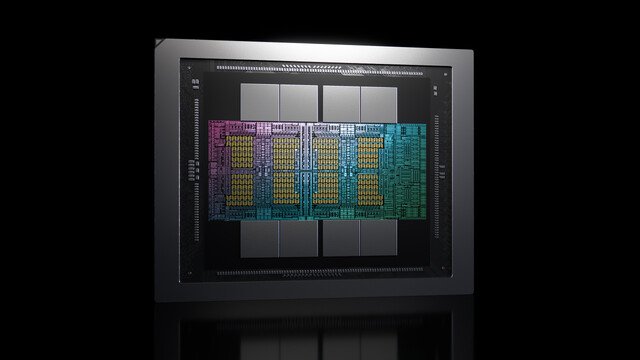
Nvidia unveiled the new Rubin HPC GPU on November 17, 2026, specifically designed for High Performance Computing (HPC). This GPU complements the existing Rubin GPU and focuses on applications in scientific computation and data processing. The architecture of the Rubin HPC is optimized for classical simulations and FP64 computing power, making it particularly attractive for research institutions and companies in the field of data analysis. A key feature of the Rubin HPC GPU is the integration of over 50,000 CUDA cores, which allows for a significant increase in computing power compared to previous models.
This high number of cores is crucial for the parallel processing of large data sets, which is of great importance in many scientific applications. The GPU also supports integration with AI agents, opening new possibilities for machine learning and data analysis. The architecture of the Rubin HPC GPU has been specifically developed to meet the demands of HPC applications. It offers enhanced FP64 performance, which is essential for precise scientific calculations. This performance boost is achieved through an optimized memory architecture and improved bandwidth, enabling the GPU to efficiently process large amounts of data.
Nvidia has also emphasized that the Rubin HPC GPU is optimized for use in cloud computing environments. This allows companies to integrate the GPU into their existing cloud infrastructures and benefit from the scalability and flexibility of the cloud. The GPU is compatible with common HPC software stacks, facilitating integration into existing systems. Another important aspect of the Rubin HPC GPU is its support for AI-driven applications. Nvidia has made significant advancements in AI technology in recent years, and the new GPU leverages these developments to enhance performance in AI applications.
This could be particularly beneficial for companies operating in data analysis, image processing, and natural language processing. The launch of the Rubin HPC GPU comes at a time when the demand for powerful computing solutions in science and industry is steadily increasing. Researchers and companies are increasingly seeking ways to expand their computing capacities to solve complex problems more quickly and efficiently. Nvidia positions itself as a leading provider in this growing market with the Rubin HPC GPU. The new GPU is also expected to find applications in academic research, where it can be used for simulations in areas such as climate research, materials science, and biomedicine.
The ability to process large data sets in real-time could significantly accelerate research in these fields and enable new insights. Nvidia has announced that the Rubin HPC GPU is available immediately and has already established initial partnerships with leading research institutions and companies. These partnerships aim to help test and further develop the GPU in real-world applications. The first benchmarks of the GPU show promising results in terms of performance and efficiency. The introduction of the Rubin HPC GPU is part of Nvidia's strategy to further diversify in the field of HPC technology.
The company has continuously invested in research and development in recent years to provide innovative solutions to the challenges of modern data processing. Nvidia plans to further enhance GPU technology in the coming years and integrate new features. The Rubin HPC GPU is seen as a significant step in the evolution of GPU technology, particularly regarding the requirements of HPC applications. Nvidia aims to push the boundaries of computing power further and set new standards for the industry. The GPU is equipped with a variety of features specifically tailored to the needs of scientists and engineers. Initial tests of the Rubin HPC GPU show a performance increase of up to 30% compared to previous models in certain scientific applications. These results could significantly promote the adoption of the new GPU within the HPC community.




💬 Comments (0)
No comments yet. Be the first to comment!