


Nintendo Game Prices: Insights from Reggie Fils-Aimé
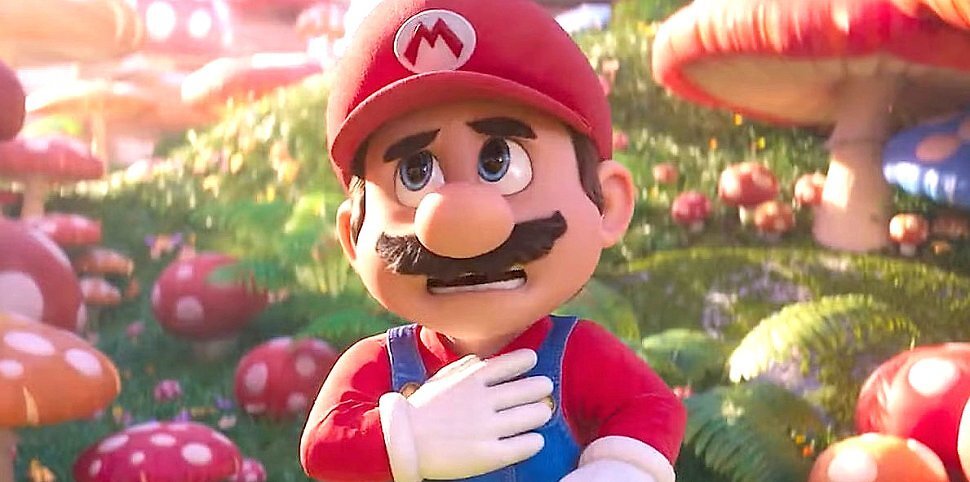
The prices for first-party games from Nintendo remain consistently high, a concern that has occupied many fans for years. Reggie Fils-Aimé, former president of Nintendo of America, has now provided some insights into the company's pricing strategy. According to Fils-Aimé, Nintendo follows a strategy that is based on preserving the value of its games. He emphasizes that Nintendo games are often viewed as long-term investments. The games are intended not only for short-term sales but also to remain relevant for years to come.
This philosophy results in discounts on first-party titles being rare, as the company aims to protect the value of its products. Another aspect that Fils-Aimé addresses is Nintendo's brand identity. The games released under the Nintendo label enjoy high recognition. This contributes to customers being willing to pay full price without waiting for discounts. Nintendo's pricing policy contrasts with many other game developers who frequently offer discounts to boost sales.
Fils-Aimé explains that Nintendo has consciously chosen a different strategy to emphasize the exclusivity and value of its games. This decision has proven successful over the years. Another point that Fils-Aimé highlights is the quality of Nintendo games. The company invests significant resources into the development of its titles, which is reflected in the high production quality. From Nintendo's perspective, this quality justifies the high prices, as players expect a top-notch experience.
The discussion about Nintendo's pricing strategy is not new. Many fans have voiced their complaints about the high prices in online forums and social media. However, Fils-Aimé points out that fan loyalty and the ongoing demand for Nintendo games support the pricing policy. Nintendo's strategy also impacts sales figures. Despite the high prices, the company continues to record record sales.
In 2025, over 30 million units of "The Legend of Zelda: Tears of the Kingdom" were sold, underscoring the brand's enduring popularity. Fils-Aimé concludes by stating that Nintendo's pricing policy is not just an economic decision but also a philosophical one. The company wants its games to be perceived as valuable and timeless. This perspective may also influence Nintendo's pricing strategy in the future. "We believe that our games hold a special place in the hearts of players and that this value should also be reflected in the prices," said Fils-Aimé.




💬 Comments (0)
No comments yet. Be the first to comment!