


Nancy Grace Roman Telescope Launches for Exoplanet Research
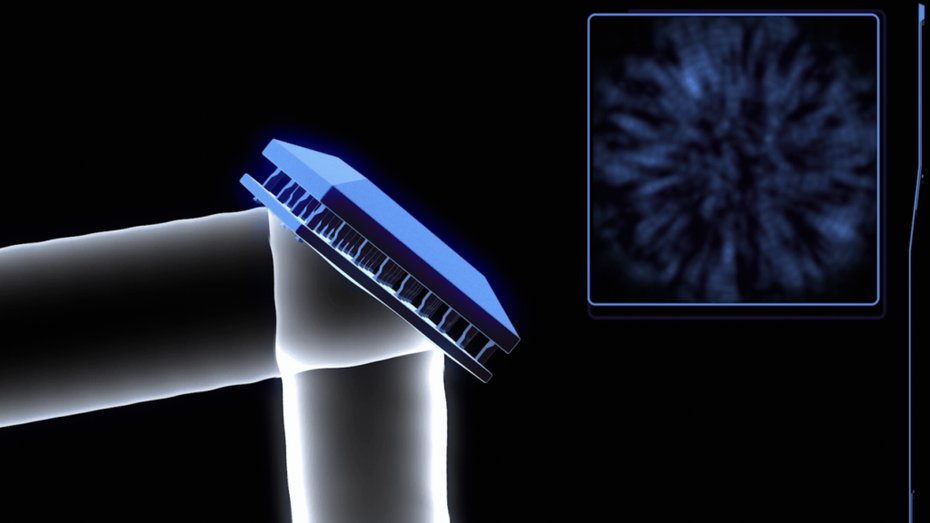
The Nancy Grace Roman Space Telescope has been successfully launched into space with the goal of using an active coronagraph to block out unwanted starlight. This technology enables the visibility of a multitude of undiscovered exoplanets that have previously been hidden by the light of their stars. The launch took place on August 30, 2026, marking a significant advancement in astronomy. The telescope's active coronagraph is designed to block the light from bright stars while capturing the light from planets located nearby.
This method could allow for the discovery of up to 100,000 new worlds that have not been observed in recent decades. Scientists hope that this technique will provide deeper insights into the atmospheres and surface conditions of these planets. The telescope will be positioned in an orbit around the Earth that allows it to observe a variety of regions of the sky. The mission is part of a broader program aimed at exploring exoplanets and searching for potentially habitable worlds. The data collected will not only contribute to the identification of new planets but also to the investigation of their chemical composition.
NASA has announced that the Nancy Grace Roman Telescope will be operated for a period of five years. During this time, it will conduct a variety of observations that are significant for both fundamental research and the search for extraterrestrial life. The first results are expected to be published in the coming years. The project is a collaboration between NASA and various international research institutions. Scientists from around the world have contributed to the development of the coronagraph to ensure that the technology meets the highest standards.
This international cooperation aims to maximize the efficiency and scientific value of the mission. The development of the Nancy Grace Roman Telescope began several years ago and was accompanied by numerous tests and simulations. These preparations are crucial to ensure that the telescope operates reliably under the extreme conditions of space. Engineers have employed special materials and technologies to ensure the longevity and performance of the telescope. Another important aspect of the mission is the potential to combine the collected data with other space telescopes.
This could lead to a more comprehensive understanding of the universe and enable the discovery of new astrophysical phenomena. The data will also be significant for future missions that focus on exoplanet exploration and the search for life in space. The first observations of the telescope are planned for 2027, with scientists already beginning to analyze the collected data. The results could not only revolutionize astronomy but also expand our understanding of the formation and development of planetary systems. The mission is regarded as one of the greatest steps in modern astronomy.
NASA has emphasized that the mission of the Nancy Grace Roman Telescope is not only aimed at discovering new planets but also at exploring the physical conditions necessary for the emergence of life. These insights could be crucial in answering the question of whether life exists beyond Earth. Scientists are optimistic that the mission will yield groundbreaking results. The first data analyses are expected to be completed in the first quarter of 2027, and scientists anticipate that the first discoveries will be published shortly after the initial observations. The mission is seen by NASA as a critical step in the exploration of the universe.

💬 Comments (0)
No comments yet. Be the first to comment!