


Malware Spread Through Fake .NET Job Reviews
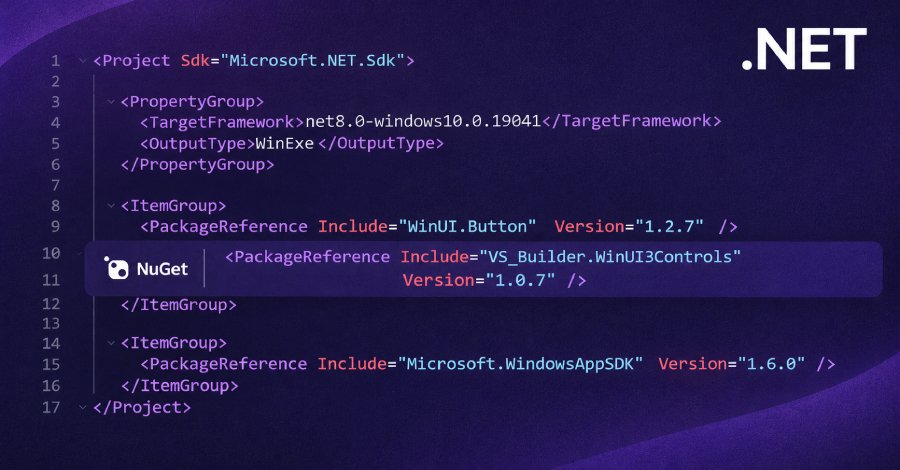
Cybersecurity researchers have discovered 13 malicious NuGet packages specifically targeting Windows .NET developers. These packages masquerade as fake take-home job reviews to spread malware. According to security researcher Kush Pandya from Socket, most of these packages are disguised as WinUI 3 and WPF (Windows Presentation Foundation) button controls. Analysis of the packages reveals that malicious code is activated when the software is built or executed, occurring without the developers' awareness, significantly increasing the risk to the affected systems.
The packages were found in the NuGet registry, a popular platform for .NET developers to share and use software libraries. Researchers warn that the malware is capable of stealing sensitive data and taking control of the affected systems. This type of attack is particularly dangerous as it targets the specific needs and workflows of developers. The use of fake job reviews as bait is a new tactic employed by attackers to achieve their goals. The affected packages have already been removed from the NuGet registry; however, the risk remains that developers may continue to encounter similar attacks.
Security researchers recommend exercising caution when using NuGet packages and only utilizing trusted sources. The analysis of the packages showed that they exist in various versions, complicating the identification of the malicious software. The discovery of these malicious packages comes at a time when cybersecurity threats to developers and companies worldwide are on the rise. According to the Cybersecurity Report 2026, there was a 45% increase in attacks on software development environments last year. These statistics underscore the need to strengthen security measures and provide training for developers.
The security community has already responded to the threat and is working on solutions to prevent similar attacks in the future. This includes improved review processes for packages in the NuGet registry as well as the development of tools to help developers detect malicious software. Researchers emphasize that a proactive approach to cybersecurity is crucial to protect the integrity of development environments. The incidents also highlight the importance of developers regularly reviewing and updating their dependencies. Security updates and patches should be applied promptly to close potential vulnerabilities.
Using security software specifically designed to monitor development environments can also help detect threats early. The incidents involving the malicious NuGet packages are further evidence that cybercrime is constantly evolving and adapting to new technologies and practices. Developers must remain vigilant and stay informed about the latest threats to protect their systems. The security researchers at Socket have already taken steps to inform affected developers about the risks and assist them in securing their environments. The vulnerability exploited by these packages could potentially affect thousands of developers who rely on NuGet.
Researchers advise regularly reviewing all installed packages and reporting any suspicious activities immediately. Another important step is implementing security policies within organizations to ensure that all employees are aware of the risks. The discovery of these malicious packages underscores the need for continuous vigilance in software development. Developers should be aware of the dangers associated with using third-party packages and take appropriate measures to protect their projects. According to Kush Pandya, it is crucial for developers to "be aware of the risks and take proactive steps to secure their environments."


💬 Comments (0)
No comments yet. Be the first to comment!