


Supply Shortages at Apple: Mac Mini and Mac Studio Affected
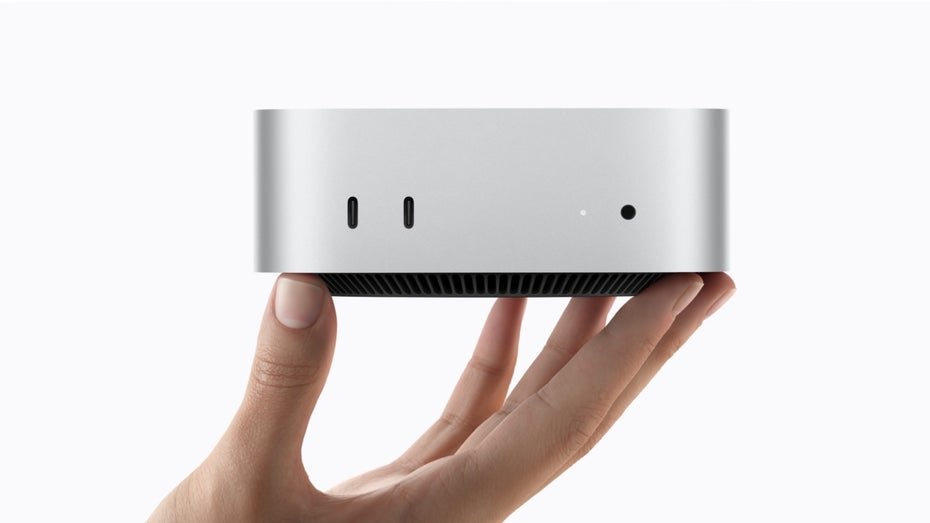
Apple is currently facing significant supply shortages for its desktop computers, the Mac Mini and Mac Studio. These issues are attributed to a rising demand for local open-weight models, which are preferred by many developers and companies. The availability of these devices may further deteriorate in the coming weeks, extending wait times for customers. The demand for high-performance desktop computers has increased in recent months, particularly in the fields of creative software development and machine learning. Developers are increasingly relying on local models to reduce dependence on cloud services.
This development has led to Apple benefiting from a surge in orders, but at the same time, production capacities are overwhelmed. Analysts report that delivery times for the Mac Mini and Mac Studio can now reach up to 12 weeks. This represents a significant delay, especially compared to the usual delivery times of 4 to 6 weeks. The issues are not limited to Apple but also affect other manufacturers offering similar products. One reason for the delays is supply chain bottlenecks exacerbated by ongoing global economic uncertainties.
Raw material shortages and transportation issues have impacted production across many industries. Apple has already taken measures to optimize production; however, the situation remains tense. The increasing popularity of open-weight models is also affecting software development. More and more companies are opting to host their applications locally to maintain control over their data. This leads to a heightened demand for powerful hardware necessary for such applications.
Apple has previously responded to similar challenges by adjusting its production strategies. The introduction of new manufacturing technologies could help increase production capacities and shorten delivery times. Nevertheless, supply chain bottlenecks are expected to persist for some time. The situation could also impact pricing, as demand exceeds supply. Analysts warn that prices for desktop computers may rise if availability continues to be constrained.
This could become particularly problematic for companies that rely on these devices. Apple has not yet officially commented on the supply shortages, but it is expected that the company will provide further information in the coming weeks. The next quarterly figures could shed light on the impact of the current situation on sales numbers. Analysts predict that demand for Mac devices will remain strong in the third quarter of 2026. The challenges in the supply chain are not new; however, the combination of rising demand and global shortages has intensified the situation.
Apple is expected to continue working on solutions to increase production capacities and shorten delivery times. The company's next steps are eagerly anticipated. The current supply shortages affect not only Apple but also other technology companies offering similar products. The entire industry faces the challenge of adjusting production capacities to meet rising demand. According to estimates, the shortages could persist until the end of 2026.
The situation is being closely monitored by many experts, as it could have implications for the entire technology sector. The demand for high-performance hardware is expected to continue rising, while production capacities may struggle to keep up. This could lead to a persistent imbalance between supply and demand. The coming months will be crucial to see how Apple and other companies respond to the current challenges. The industry may evolve in a new direction characterized by local solutions and an increased demand for powerful hardware.
Developments will continue to be closely followed. The supply shortages at Apple are an indicator of the current challenges in the technology sector. The demand for desktop computers may continue to rise in the coming months, while production capacities may not be sufficient to meet this demand. The situation remains tense. Current delivery times for the Mac Mini and Mac Studio are up to 12 weeks, representing a significant delay compared to the usual 4 to 6 weeks.





💬 Comments (0)
No comments yet. Be the first to comment!