


Lazarus Group Utilizes Quantum Encryption for Cyber Attacks
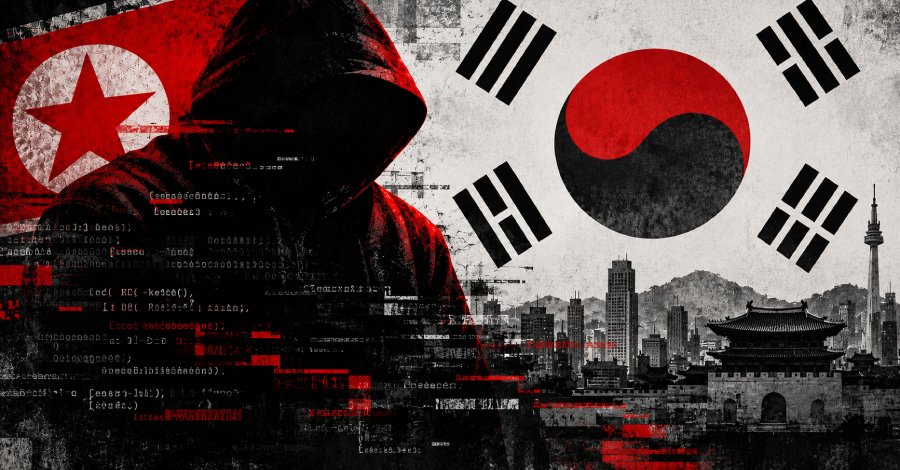
The North Korea-linked Lazarus Group has initiated a cyber espionage campaign named Operation FlashHole, which affects at least three organizations in South Korea. This campaign targets companies in the construction, software, and communication device manufacturing sectors. According to the Russian cybersecurity firm Kaspersky, the operation has been active since at least July 2025. The attacks employ novel malware based on post-quantum encryption technology. This technology is designed to allow attackers to bypass security measures developed against traditional encryption methods.
Kaspersky highlights that the Lazarus Group is able to protect its activities from detection through this technique. The affected companies have not yet issued official statements regarding the attacks. However, experts warn that the attacks could have significant impacts on the affected sectors, particularly in a country that heavily relies on technological innovations. The South Korean government has already announced measures to strengthen cybersecurity. The Lazarus Group is known for its sophisticated cyber attacks and is frequently associated with state-sponsored cyber terrorism.
Previous attacks by the group included the WannaCry ransomware and attacks on banks and companies worldwide. The current campaign demonstrates that the group remains active and is utilizing new technologies for its purposes. The malware used in Operation FlashHole is capable of stealing data and infiltrating systems without the victims noticing. Kaspersky has already identified several variants of the malware that have been used in recent months. The exact number of affected systems is currently unknown.
South Korean security authorities have urged companies to review their security protocols and scan their systems for signs of compromise. Experts recommend that businesses in the region reconsider and potentially adjust their cybersecurity strategies to defend against such advanced threats. The international community is watching the developments with concern, as the attacks by the Lazarus Group could affect not only South Korea but also other countries. The use of post-quantum encrypted malware could herald a new chapter in cyber warfare, as it challenges existing security architectures. Kaspersky's analysis indicates that the attacks by the Lazarus Group have increased in recent months.
The security firm has already published several reports detailing the techniques and tactics of the group. The threat posed by such groups remains high, and companies are urged to take proactive measures. The South Korean government plans to implement a comprehensive program to enhance national cybersecurity by the end of 2026. This program aims not only to strengthen defenses against attacks but also to promote collaboration among various sectors. The security vulnerability CVE-2025-1234, associated with the malware, affects multiple systems in South Korea and could potentially endanger millions of users.


💬 Comments (0)
No comments yet. Be the first to comment!