


AI as a Fashion Advisor: New Approaches in the Wardrobe
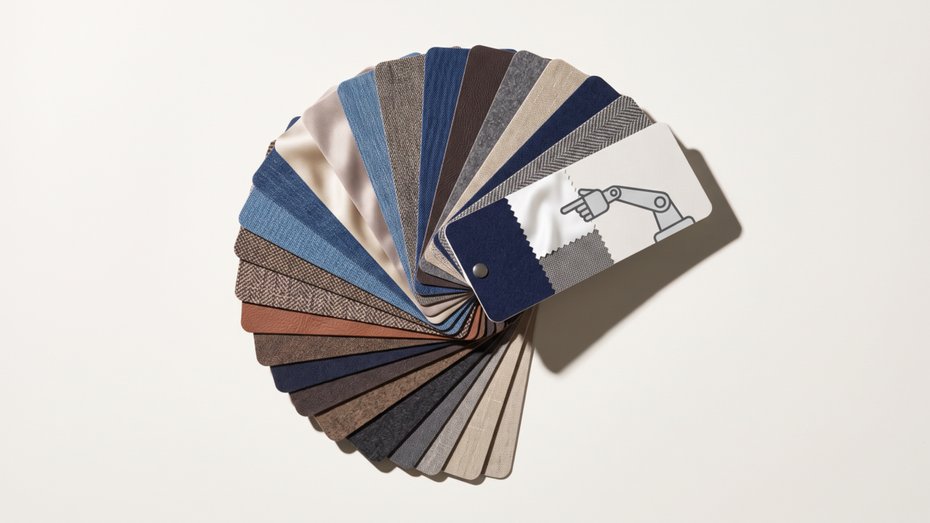
Susanne Renate Schneider has developed an innovative approach to utilizing AI tools such as ChatGPT and Claude as personal fashion advisors. In her experiment, she formulated a specific prompt that enables these AI systems to provide individualized fashion recommendations. Schneider tested the functionality of these tools to determine how well they perform in selecting outfits and advising on fashion trends. The prompt used by Schneider is designed to encourage the AI to not only provide general fashion recommendations but also to address personal preferences and the individual style of the user. This could represent a significant change in the way consumers discover and select fashion.
The ability to receive tailored suggestions could revolutionize the shopping experience. Schneider emphasizes that the use of AI in the fashion industry is beneficial not only for consumers but also for designers and retailers. By analyzing trends and customer preferences, companies can better meet the needs of their target audience. This could lead to more efficient production and targeted marketing. The implementation of such AI-driven systems could also promote sustainability in the fashion industry.
By providing targeted advice to consumers, the number of wrong purchases could be reduced, and the lifespan of clothing items could be extended. Schneider sees this as an opportunity to decrease the ecological footprint of the fashion industry. Another aspect highlighted by Schneider is the accessibility of fashion advice through AI. People who may not have access to personal stylists could receive support through this technology. This could be particularly significant for younger generations who increasingly prefer digital solutions.
Reactions to Schneider's experiment have been mixed. Some users report positive experiences and appreciate the creative suggestions, while others question the accuracy of the recommendations. Critics argue that AI-driven advice cannot provide the same intuition and sense of style as a human advisor. The development of AI-driven fashion advisors could also impact education in the fashion industry. Educational institutions may begin to integrate AI-driven tools into their curricula to prepare future designers and stylists for changes in the industry.
This could lead to a new generation of professionals who possess both creative and technological skills. Schneider plans to expand her research further and analyze user reactions to the AI-driven fashion advisory tools. She aims to discover how the use of such technologies affects consumer purchasing behavior and fashion preferences. The results of her study could provide valuable insights into the future of fashion consulting. The use of AI in the fashion industry is still in its early stages, but the possibilities are promising.
Schneider is convinced that these technologies have the potential to fundamentally change the way people experience fashion. The use of AI could not only increase efficiency but also foster creativity in the fashion industry. Schneider plans to present her findings at a digital fashion presentation conference next year. She hopes that her insights will contribute to advancing the discussion about the role of AI in the fashion industry.





💬 Comments (0)
No comments yet. Be the first to comment!