


Cuneiform Translated into Arabic
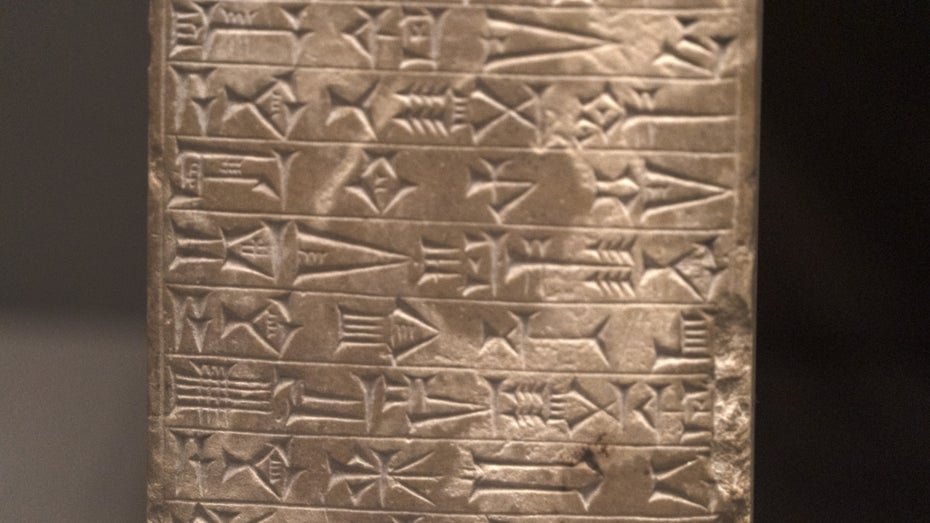
An international team has initiated the translation of 4,000-year-old cuneiform into Arabic. This initiative aims to overcome decades of dominance by Western translations and to return the cultural heritage of the Middle East to the Arabic language. Cuneiform is considered one of the oldest forms of writing in human history and originated in Mesopotamia. The digitization of cuneiform is a central component of the project. Through modern technologies, the ancient texts are not only being captured but also made accessible to a broader audience.
This is being done in collaboration with various institutions, including universities and museums that specialize in the preservation and study of ancient scripts. A primary goal of the project is to address the power inequalities that have arisen from the prevailing Western perspective in historiography. Historians and linguists emphasize that returning these texts to Arabic plays an important role in restoring cultural heritage. The initiative is seen as a step towards promoting cultural identity and historical awareness in the Arab world. The translation includes a variety of texts, including administrative documents, literary works, and religious writings.
These texts provide insights into the life and society of that time. Researchers are using advanced digital tools to analyze and translate the texts, allowing for a more precise and comprehensive interpretation. Another aspect of the project is the training of Arab scholars and students in cuneiform studies. Through workshops and seminars, participants are empowered to work independently with the ancient texts. This not only enhances knowledge about cuneiform but also fosters the development of expertise in the Arab world.
The initiative has already attracted international attention and is supported by various academic and cultural institutions. Experts from different disciplines, including archaeology, linguistics, and history, are collaborating to create the translations and publish the results. The first translations are expected to be published in the coming months. The digitization and translation of cuneiform into Arabic is regarded as a significant step in the global scientific community. It could help deepen the understanding of the history of the Middle East and promote the dissemination of knowledge about this ancient culture.
Researchers anticipate that the initiative will also spark interest in other ancient scripts. The project is recognized by UNESCO as an important cultural heritage. The organization supports efforts to preserve and disseminate knowledge about ancient civilizations. The translations are intended to be made accessible not only in academic circles but also to the general public to raise awareness of the significance of these texts. The first results of the project will be presented at a conference in September 2026, where researchers will showcase their progress and discuss the importance of cuneiform for understanding human history.








💬 Comments (0)
No comments yet. Be the first to comment!