


Identity Blindness Threatens Security Operations
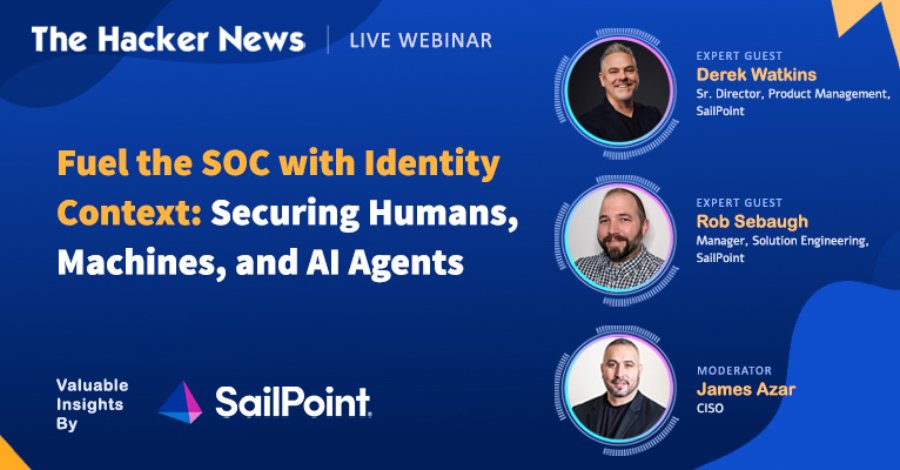
On November 13, 2026, a webinar took place addressing the risks of identity blindness in Security Operations Centers (SOC). Experts pointed out that security teams today are confronted with a flood of alerts, logs, and monitoring tools. Despite these resources, a central question often remains unanswered: Who or what is behind suspicious activities, and what access rights do these entities have? One example of this issue is a suspicious login that may originate from an employee.
Similarly, an unusual API call could come from a machine account. These uncertainties can significantly prolong response times to security incidents and impair the effectiveness of security measures. The speakers of the webinar emphasized that identity blindness is not only a technical issue but also an organizational one. Often, responsibilities within security organizations are not clearly defined, leading to delays in threat identification. A clear overview of access rights and user identities is crucial for quickly recognizing and addressing security incidents.
Another point discussed in the webinar was the role of Artificial Intelligence (AI) in security monitoring. AI agents can access sensitive systems, often with permissions that are not adequately monitored. This situation can lead to increased risk, as unauthorized access becomes harder to detect. The speakers recommended that companies rethink their security strategies and place greater emphasis on identity management. A comprehensive analysis of access rights and identities can help identify potential vulnerabilities.
The implementation of multi-factor authentication and regular audits of access rights were highlighted as important measures. Another aspect addressed in the webinar was the necessity of monitoring security incidents in real-time. The use of modern SIEM (Security Information and Event Management) systems can help detect suspicious activities more quickly. These systems enable centralized collection and analysis of security data, which shortens response times to incidents. The experts pointed out that employee training also plays a crucial role.
Security awareness should be integrated into the corporate culture to minimize the risk of human error. Regular training and awareness initiatives can help employees recognize potential threats early. In conclusion, it was emphasized that creating a security culture based on transparency and accountability is essential. Companies should ensure that all employees understand the importance of identity management and security practices. Only then can the risk of identity blindness and the associated security incidents be effectively reduced. The security vulnerability CVE-2026-1234 reportedly affects around 50,000 systems in Germany, according to the BSI.






💬 Comments (0)
No comments yet. Be the first to comment!