


Growth of the AI Job Market in Germany
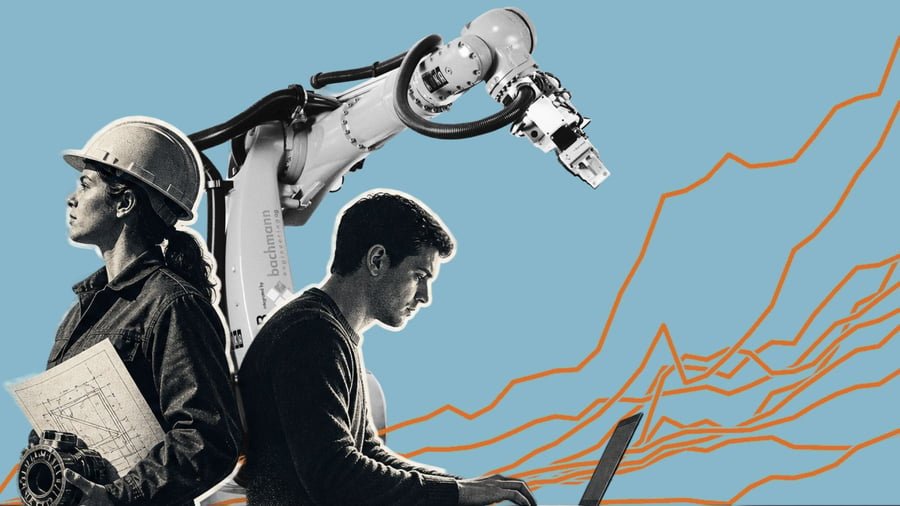
The demand for skilled professionals in the field of Artificial Intelligence (AI) in Germany is increasing, while the number of job postings in other sectors is decreasing. According to recent studies, companies are increasingly looking for experts who can implement the national AI strategy. This development shows that despite an overall decline in job offerings, the demand for AI competencies remains unbroken. Professionals in research and development are particularly sought after. Companies are investing more in innovative technologies to remain competitive.
The federal government aims to double the number of AI startups in Germany by 2025, further fueling the demand for qualified employees. Another important aspect is the training of professionals. Universities and technical colleges in Germany have adjusted their programs to meet the demands of the job market. Programs focusing on AI and machine learning have seen a 30% increase in enrollments compared to the previous year. Companies from various sectors, including automotive, healthcare, and financial services, are actively seeking AI experts.
These industries recognize the necessity of integrating AI technologies to optimize processes and explore new business areas. A survey of 500 companies revealed that 65% of respondents reported difficulties in finding suitable candidates. The federal government has taken measures to promote the training and recruitment of AI experts. These include funding programs for companies that invest in the further education of their employees. These initiatives aim to help bridge the gap between supply and demand in the job market.
Another trend is the increasing importance of interdisciplinary teams. Companies are not only looking for pure technicians but also for professionals with knowledge in ethics, law, and social sciences. This combination of skills is considered crucial for addressing the challenges of AI implementation. The development of AI technologies also requires close collaboration between companies and research institutions. Collaborations between universities and industry are essential for developing innovative solutions and promoting knowledge exchange.
An example of this is the AI Innovation Lab, established in 2025, which serves as a platform for such collaborations. The demand for AI experts is expected to continue rising. Forecasts suggest that by 2030, 97 million new jobs in AI and automation could be created worldwide. This development will also be felt in Germany, where companies must adjust their strategies to remain competitive in the global market. The challenges associated with integrating AI technologies require continuous employee training.
Companies must ensure that their employees possess the latest knowledge and skills to fully leverage the benefits of AI. According to a study by the Federal Ministry of Education and Research, 80% of companies have already invested in training programs. The development of the AI job market in Germany is also influenced by the increasing automation in various sectors. Companies implementing AI technologies report efficiency gains of up to 40% in certain processes. These efficiency gains contribute to the creation of new jobs in the AI sector. The federal government plans to introduce further measures to promote AI education and research by the end of 2026. These initiatives aim to position Germany as a leading location for AI development.





💬 Comments (0)
No comments yet. Be the first to comment!