


Advancements in Robotics: Learning Instead of Programming
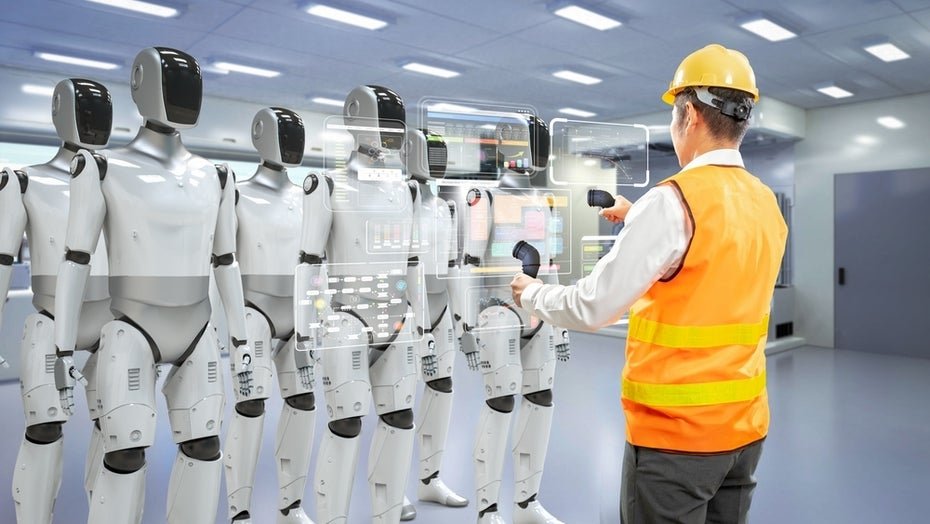
Robots have made significant progress in recent years by no longer being solely programmed, but increasingly trained through various learning systems. This development enables robots to autonomously handle complex tasks and adapt to new environments. Five key technologies are at the forefront of this transformation. One significant system is Deep Reinforcement Learning, which allows robots to learn through trial and error. This method utilizes rewards to optimize the behavior of robots.
Researchers have found that robots trained with this technique are capable of performing tasks such as grasping objects or navigating through unknown environments more efficiently. Another innovative system is Transfer Learning, which enables robots to transfer knowledge from one task to another. This significantly reduces the time required to learn new skills. For example, a robot that has learned to grasp a specific object can apply this skill to similar objects without needing to be retrained from scratch. Additionally, Natural Language Processing (NLP) plays a crucial role in the interaction between humans and machines.
Robots equipped with NLP can understand and execute instructions in natural language. This not only improves user-friendliness but also expands the applications of robots across various fields, from healthcare to industry. Another advancement is the integration of Computer Vision, which allows robots to visually perceive and interpret their surroundings. By utilizing cameras and image processing technologies, robots can recognize objects, avoid obstacles, and adjust their movements accordingly. This capability is particularly important in dynamic environments where conditions can change rapidly.
Finally, the development of Cloud Computing has significantly expanded the possibilities of robotics. Robots can now access powerful computing resources to perform complex calculations in real-time. This enables faster data processing and enhances the decision-making of robots, especially in applications that require large amounts of data. The combination of these technologies leads to a new generation of robots that are not only more efficient but also more flexible and adaptable. Companies across various industries, including manufacturing, logistics, and healthcare, are increasingly relying on these intelligent systems to optimize their processes and reduce costs.
The advancements in robotics are not limited to technical innovations. Ethical and societal questions are also gaining importance. The integration of robots into everyday life raises issues regarding safety, data privacy, and job security. Experts are calling for a comprehensive discussion about the impact of these technologies on society.
Developments in robotics are rapid and show that the future of machines lies not only in automation but also in learning and interaction with humans. According to a study by McKinsey, it is expected that by 2030, up to 70 million jobs in the U.S. could be affected by automation, underscoring the need for proactive engagement with these technologies. The robotics industry faces the challenge of implementing these technologies responsibly while maximizing the benefits for society. The coming years will be crucial in finding the balance between technological advancement and ethical considerations.









💬 Comments (0)
No comments yet. Be the first to comment!