


Research on Lively and Potentially Habitable Worlds
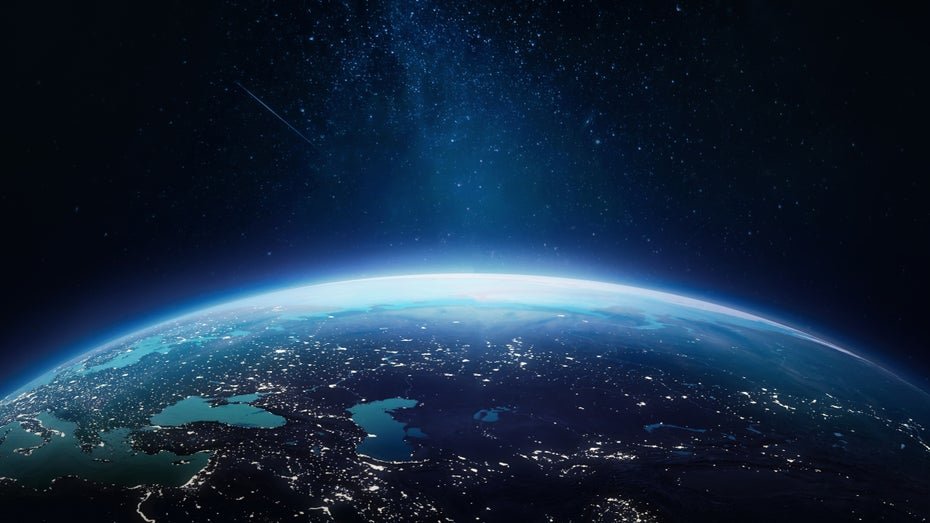
An international research team has developed a model of Earth that removes all life forms to investigate how Earth presents itself without life. This study aims to define the criteria that distinguish inhabited from potentially habitable planets. The results could have far-reaching implications for astrobiology and the search for extraterrestrial life. The team used complex simulations to analyze the geophysical and chemical properties of Earth without biological influences, considering factors such as the atmosphere, surface temperature, and geochemical cycles.
The researchers found that the absence of life leads to significant changes in the chemical composition of the atmosphere. A key finding of the study is that Earth without life would exhibit a markedly different atmosphere, containing less oxygen and more carbon dioxide. This insight could help identify the conditions necessary for the emergence of life. The researchers emphasize that such models can also be applied to other planets to assess their habitability. The study highlights that the search for life on other planets should not only be based on the discovery of water but also on the analysis of atmospheric conditions.
Researchers argue that the chemical signatures produced by biological processes are crucial for identifying inhabited worlds. These findings could significantly influence strategies for discovering life in the universe. Another aspect of the research is the development of instruments capable of analyzing the atmospheric conditions on exoplanets. The researchers plan to use their models in future missions to investigate planets outside our solar system. These missions could help better assess the likelihood of life on these planets.
The results of the study were published in the journal "Astrobiology" and have generated significant interest in the scientific community. The researchers hope that their work will lead to a better understanding of the conditions necessary for the emergence and maintenance of life. This could also stimulate discussions about the search for intelligent life in the universe. The study was conducted by an interdisciplinary team that brings together experts from the fields of geosciences, chemistry, and astrobiology. Collaboration between these disciplines is crucial for understanding the complex relationships between life and the environment.
Researchers emphasize that such interdisciplinary approaches are necessary to tackle the challenges of astrobiology. The results of this research could also impact future space exploration. Insights into the chemical conditions on other planets could influence the selection of targets for future missions. The researchers plan to further refine their models and gather additional data to enhance the accuracy of their predictions. The study shows that the search for life in the universe is more complex than previously assumed.
The researchers call for a reevaluation of the criteria used to identify potentially habitable planets. The findings could revolutionize the search for life in our solar system and beyond. The publication of the study took place on November 15, 2026, and has already sparked a variety of discussions in the scientific community.






💬 Comments (0)
No comments yet. Be the first to comment!