


Chinese Chip Manufacturers Push into German Automotive Industry
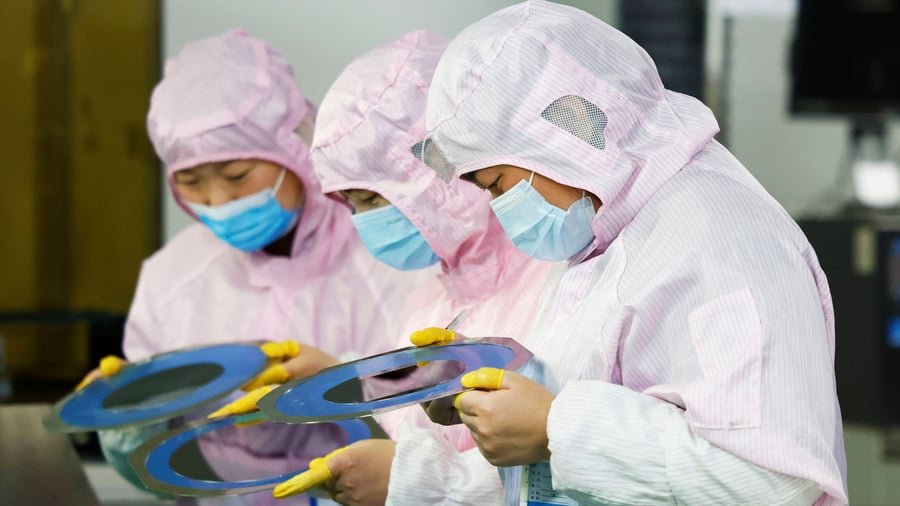
Chinese semiconductor suppliers have begun to increasingly capture shares of the German automotive market. These companies see significant potential in the German automotive industry to distribute their products. The demand for innovative technologies and components, particularly in the field of electromobility, is driving this development. German automotive manufacturers face the challenge of diversifying their supply chains. In light of geopolitical tensions and dependence on traditional suppliers, collaboration with Chinese companies is increasingly being considered.
These partnerships could help German manufacturers reduce their production costs while gaining access to advanced technologies. Some German companies have already initiated discussions with Chinese chip manufacturers. These talks focus on the supply of semiconductors that are essential for modern vehicles, such as those used in driver assistance systems and infotainment solutions. Chinese suppliers often offer competitive prices and innovative products that are attractive to German manufacturers. However, the risks associated with such collaborations should not be overlooked.
Geopolitical tensions between China and the West could jeopardize the stability of supply chains. Additionally, there are concerns regarding data security and dependence on foreign technologies used in critical areas. The German automotive industry has already suffered from supply shortages in recent years, particularly during the COVID-19 pandemic. These experiences have made companies more aware of the need to seek alternative sources. Chinese semiconductor suppliers could provide a solution, but German manufacturers must carefully consider how to structure these partnerships.
Another aspect is the regulatory landscape. The EU has tightened its regulations on technology transfer and the protection of intellectual property in recent years. German companies must ensure that they comply with legal frameworks when collaborating with Chinese suppliers. This could pose additional hurdles for the integration of Chinese technologies into German vehicles. The demand for semiconductors in the automotive industry is expected to continue rising.
According to a study by the market research firm Statista, the global market for automotive semiconductors is projected to grow to over $50 billion by 2027. This development could further increase the attractiveness of Chinese suppliers as they seek to secure their market share in a growing sector. German automotive manufacturers are aware of the need to strengthen their innovative capabilities. Collaborations with Chinese chip manufacturers could help accelerate the development and market introduction of new technologies.
Nevertheless, it remains to be seen how geopolitical conditions will impact these partnerships. The coming months will be crucial to observe how relationships between German automotive manufacturers and Chinese semiconductor suppliers evolve. Companies must make strategic decisions to maintain their competitiveness in a rapidly changing market. An example of the urgency of these decisions is the upcoming automotive fair in Frankfurt, scheduled for February 2027.




💬 Comments (0)
No comments yet. Be the first to comment!