


Boeing/Lockheed Rocket Crashes – Amazon Loses 40 Satellites
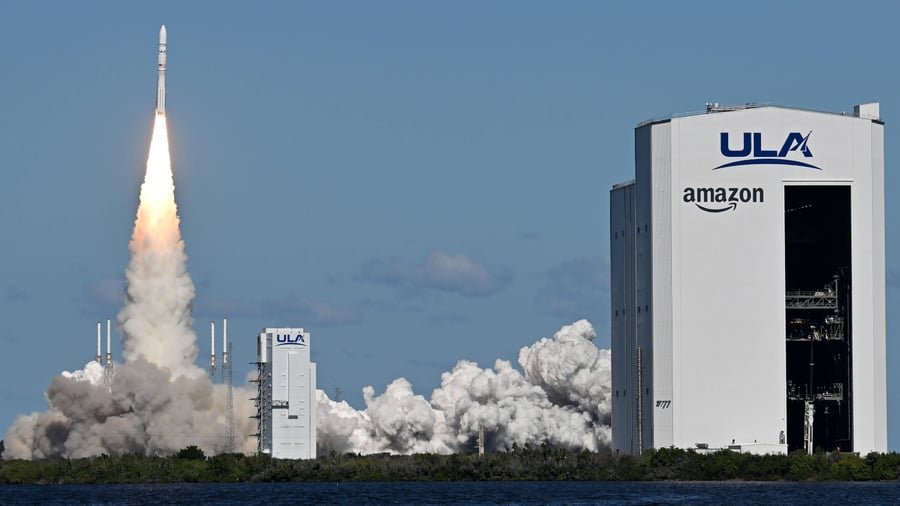
On November 16, 2026, a rocket from the joint venture United Launch Alliance (ULA) crashed, resulting in a significant loss for Amazon. The failed mission was the first of its kind for ULA, which was formed from the companies Boeing and Lockheed Martin. The incident occurred during launch from a site in Cape Canaveral, Florida. The rocket was intended to deliver 40 satellites for Amazon's internet service Leo into space.
These satellites are part of the plan to provide global high-speed internet, particularly serving rural and remote areas. The loss of these satellites could significantly delay the timelines for service deployment. ULA announced that the rocket experienced technical issues during launch that led to the crash. Details regarding the exact causes of the failure are currently unclear. Engineers and technicians are working on analyzing the collected data to determine the precise circumstances of the incident.
Amazon had high expectations for this mission, as it represented a crucial step in the development of its satellite internet service. The loss of the satellites could not only have financial implications but also undermine confidence in ULA's reliability and Amazon's ability to execute its ambitious plans. The effects of the crash are already being felt. Analysts estimate that Amazon may face a decline in market share in the satellite communications sector due to the loss of the satellites. Competition in the satellite internet services market is intense, and delays could allow other providers to gain market share.
ULA has successfully conducted several missions in the past, but this incident could impact confidence in future launches. The aerospace industry is known for its high risks, and any failure can have potentially far-reaching consequences for the companies involved. Regulators have already announced that they will initiate a comprehensive investigation into the incident. This investigation will focus on the technical aspects of the rocket launch and whether safety protocols were followed. The results of this investigation could have significant implications for ULA and the aerospace industry as a whole.
ULA is committed to clarifying the causes of the crash and taking the necessary measures to prevent future incidents. The company has announced that it will work closely with regulators to ensure the safety of its missions. The next planned launch by ULA is scheduled for the first quarter of 2027. Amazon has not yet publicly commented on the financial implications of the loss. However, analysts expect that the incident could affect the company's investments in satellite technology.
The exact number of affected satellites and the financial losses are still being determined. The aerospace industry faces the challenge of ensuring the safety and reliability of its missions. The crash of the ULA rocket could serve as a warning signal for other companies in the industry planning similar projects. The next steps by ULA and Amazon will be closely monitored to understand the impact of this incident on the industry. The investigation into the incident is expected to take several months.
ULA has already announced that it will mobilize all necessary resources to quickly determine the causes of the crash. The space agency has also pledged its support to ensure the safety of future missions. The aerospace industry has made significant progress in recent years, but this incident serves as a reminder that the risks remain high. The next steps by ULA and Amazon will be crucial in restoring confidence in space missions. The next planned launch by ULA is set for February 15, 2027.








💬 Comments (0)
No comments yet. Be the first to comment!