


Bill Gates Calls for Regulation of AI and Robot Tax
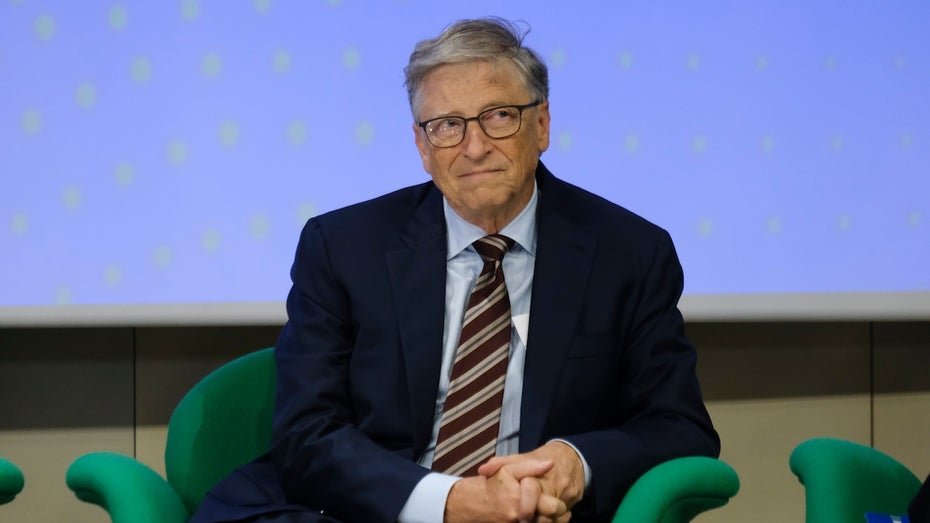
Bill Gates has once again warned about the potential risks associated with the development and deployment of Artificial Intelligence (AI). The Microsoft co-founder emphasizes that humanity urgently needs a plan to limit the dangers of this technology. Gates made these remarks during a conference addressing the ethical and societal challenges of AI. In his speech, Gates highlighted that the rapid development of AI systems brings not only opportunities but also significant risks. He urged governments worldwide to define clear guidelines and boundaries for the use of AI.
Gates pointed out that without such measures, society could face unpredictable challenges. A central concern of Gates is the introduction of a robot tax. This tax could help mitigate the economic impacts of automation while providing funds for the retraining of workers. Gates argues that automation could threaten many jobs, necessitating a fair distribution of the profits generated by AI. The discussion around a robot tax is not new, but it gains importance with Gates' prominent voice.
In various countries, initial considerations have already been made regarding what such a tax might look like. Gates suggests that companies employing robots and AI technologies should reinvest a portion of their savings back into society. He also emphasized the need for transparency in AI development. He calls for companies developing AI to disclose their algorithms and decision-making processes to build trust in the technology. This could help establish ethical standards and prevent misuse.
Gates' statements come at a time when the debate over AI regulation is intensifying globally. Various governments and organizations are working on guidelines to promote the responsible use of AI. The EU has already proposed a comprehensive regulatory framework for AI that includes liability issues and safety standards. The discussion about AI regulation and the introduction of a robot tax is also supported by other technology experts and economists. Many see the need to address the social and economic impacts of automation.
According to a survey by the Pew Research Center, 65% of respondents believe that AI will destroy more jobs than it creates in the next ten years. Gates' demands could also impact the political agenda in the US and Europe. The discussion about AI regulation and the introduction of a robot tax may gain significance in the coming months, especially in light of upcoming elections and political decisions. Reactions to Gates' proposals are being closely monitored, as they could potentially influence the course of technology policy. The debate over AI and automation is further fueled by the increasing prevalence of AI applications across various industries.
Companies are increasingly using AI to optimize processes and reduce costs. According to a study by McKinsey, up to 375 million jobs worldwide could be at risk due to automation by 2030. Gates concluded his speech with a heartfelt appeal to policymakers and business leaders to take the challenges of AI seriously. He emphasized that it is time to take proactive measures to prepare society for the changes that AI and automation will bring. "We must ensure that technology serves humanity and does not become a threat," said Gates.






💬 Comments (0)
No comments yet. Be the first to comment!