


Balcony Power Plant: Simplified Registration
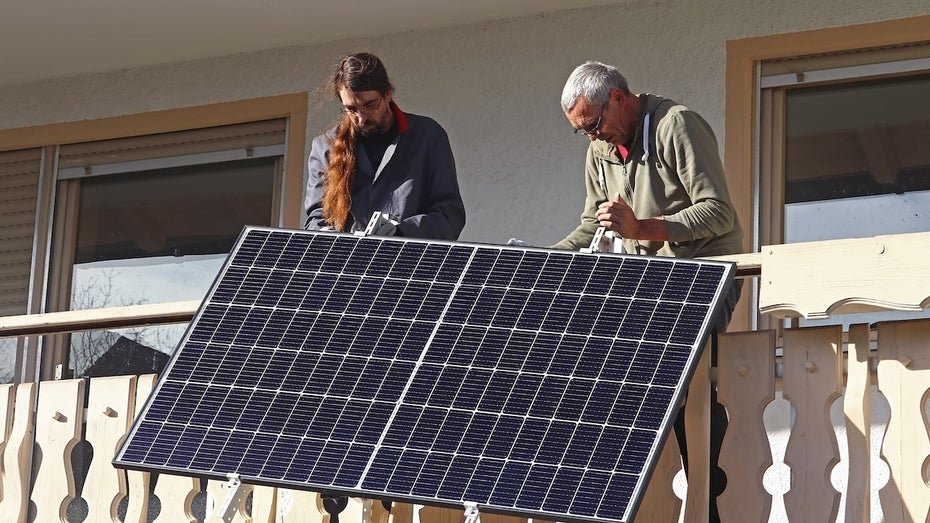
The use of balcony power plants is gaining popularity in Germany. These compact solar systems allow households to generate their own electricity, thereby reducing energy costs. Installation is generally straightforward; however, many users wonder how the registration of the device works. To register a balcony power plant, several technical requirements must first be met. Most systems are equipped with an inverter that converts the generated direct current into alternating current.
This alternating current can then be fed into the public power grid. Registration typically occurs through the grid operator to which the household is connected. The first step in the registration process is to gather the technical data of the balcony power plant. This includes information such as the rated power of the inverter, the type of modules, and the total output of the system. This data is crucial for correct registration and the subsequent feed-in tariff.
After compiling the technical information, users must fill out a registration form. This form can usually be downloaded online from the respective grid operator's website. It is important to complete all required information fully and accurately to avoid delays in registration. Another important aspect is notifying the relevant energy supplier. In many cases, it is necessary to inform the energy supplier about the installation of the balcony power plant as well. This can often also be done online. The deadlines for notification vary by provider, so users should inform themselves in a timely manner.
Several documents are required for registration. These typically include proof of installation, the operating manual of the inverter, and possibly a confirmation from the electrician who performed the installation. These documents should be kept safe, as they must be presented during registration. Approval for feeding the generated electricity into the grid is another step in the registration process. After registration, the grid operator reviews the submitted documents and, ideally, grants permission for feed-in.
This approval is necessary to benefit from the feed-in tariff. The feed-in tariff is a financial incentive for the use of balcony power plants. The amount of the tariff depends on various factors, including the size of the system and current legal regulations. Users should stay informed about the current tariff rates to optimally leverage the economic benefits of their system. The registration of a balcony power plant can usually be completed within a few weeks, provided all documents are submitted completely and correctly.
However, users should ensure that they meet all deadlines to avoid potential delays. Timely registration is crucial to benefit from the advantages of the feed-in tariff. In recent years, the federal government has taken various measures to promote the use of renewable energies. This also includes simplifying the registration of balcony power plants. These measures aim to advance the energy transition and increase the share of renewable energies in total electricity consumption.
The demand for balcony power plants has risen sharply in recent years. According to a study by the Federal Association of Solar Industry (BSW), over 100,000 new balcony power plants were installed in Germany in 2025. This development shows that more and more households are turning to renewable energies and want to generate their own electricity. Thus, the registration of balcony power plants becomes an important step for many households wishing to actively contribute to the energy transition. The ease of use and financial incentives make the adoption of this technology attractive.
The federal government plans to further improve the framework conditions for the use of solar systems. The feed-in tariff for balcony power plants is regularly reviewed and adjusted. Currently, the tariff for systems up to 10 kWp is 8.2 cents per fed-in kilowatt-hour. This tariff may vary depending on market developments.









💬 Comments (0)
No comments yet. Be the first to comment!