


Air Traffic Controllers for Delivery Drones: A New Profession
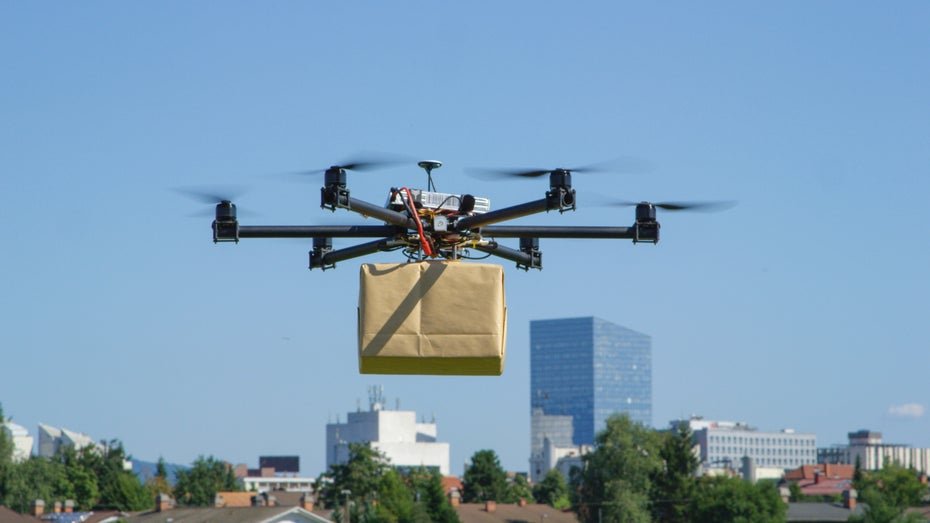
Trevor Wischnewsky works as an air traffic controller for delivery drones in Texas and plays a crucial role in the emerging drone delivery industry. With the rise of food deliveries by drone, the need for qualified personnel to coordinate the swarms in the sky has increased. Wischnewsky is part of a team that ensures the drones operate safely and efficiently. The job of an air traffic controller for drones requires specialized training and knowledge of air traffic management. Wischnewsky has undergone training that has prepared him for the challenges of this new profession.
This includes knowledge of flight routes, weather conditions, and interaction with other aircraft. These skills are essential to avoid collisions and ensure smooth operations. A central element of the job is the real-time monitoring of airspace. Wischnewsky uses modern technologies to track the positions of the drones and ensure they reach their destinations without incidents. The software he uses allows him to identify potential conflicts early and take appropriate measures.
The demand for drone deliveries has significantly increased in recent years. According to a study by the market research firm XYZ, the drone delivery market is expected to grow by 30% annually by 2030. This development leads to an increase in the number of air traffic controllers needed to ensure safety in the airspace. Wischnewsky emphasizes the importance of his job for society. "You are there as a safety net," he explains.
This responsibility includes not only monitoring the drones but also communicating with delivery services and customers to ensure that all parties are informed about the status of deliveries. The challenges associated with working as an air traffic controller for drones are diverse. Wischnewsky reports the necessity to respond quickly to unexpected situations, such as technical problems or sudden weather changes. This ability to make quick decisions is crucial to ensuring the safety of deliveries. Another aspect of the job is continuous education.
The technology in the field of drones is rapidly evolving, and air traffic controllers must regularly update themselves on new developments and regulations. Wischnewsky participates in training sessions to keep his knowledge up to date and learn best practices in airspace management. The role of air traffic controllers is expected to become even more important in the future as more companies use drones for the delivery of goods. Wischnewsky sees great potential in this profession and hopes that more people will develop an interest in a career as an air traffic controller for drones. "It is an exciting field with many opportunities," he says.
The first steps towards regulating drone traffic have already been taken. The Federal Aviation Administration (FAA) has published guidelines concerning the operation of delivery drones. These regulations are crucial to ensuring a safe and orderly airspace as the industry continues to grow. The development of technologies to improve safety in drone traffic is also underway. Companies are working on innovative solutions to optimize communication between drones and air traffic controllers.
These advancements could significantly enhance the efficiency and safety of deliveries. The demand for qualified air traffic controllers is expected to continue rising as more cities and communities introduce drone delivery services. Wischnewsky is optimistic that his profession will gain importance in the coming years. "We are the future of airspace," he concludes.






💬 Comments (0)
No comments yet. Be the first to comment!