


XRING Security Vulnerability Discovered in XQUIC
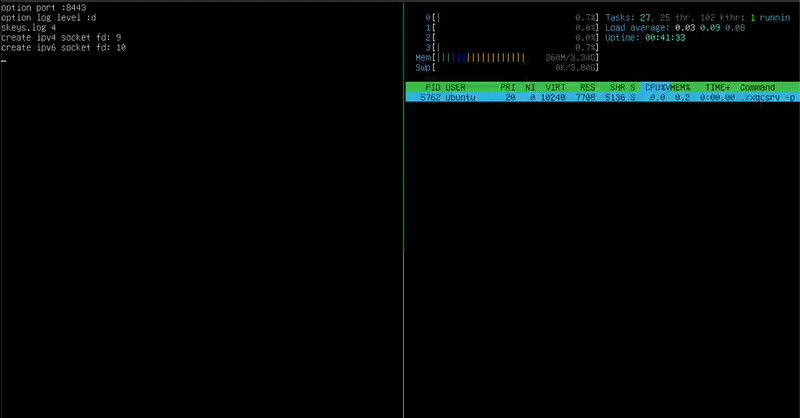
A newly discovered security vulnerability in the XQUIC library, used by Alibaba for QUIC and HTTP/3, enables attackers to crash servers with legitimate traffic. The flaw, referred to as XRING, was disclosed on July 8, 2026, by FoxIO researcher Sébastien Féry. According to Féry, exploiting the vulnerability requires no login and no malformed packets, only about 260 bytes of regular QPACK traffic. The vulnerability is particularly concerning as it allows any remote client to overwhelm the server with minimal effort.
The exact cause of the issue lies in a faulty variable on a single line of code in the XQUIC library. This type of error can occur in many software projects but is especially dangerous in security-critical applications. Currently, there is no patch available for this security vulnerability. Alibaba has yet to release an official statement regarding the incident. Security researchers and system administrators are strongly urged to monitor their systems and take appropriate measures to mitigate the impact of the vulnerability.
The XQUIC library is used in various applications that support HTTP/3, further amplifying the spread of the vulnerability. HTTP/3 is the latest standard for the Internet protocol, promising faster and more efficient data transmission. The use of QUIC, which is based on UDP, aims to reduce latency compared to previous protocols. The discovery of the XRING security vulnerability raises questions about the security of QUIC-based applications. As QUIC is increasingly implemented in modern web applications, this vulnerability could potentially affect thousands of servers worldwide.
Experts warn that attackers could exploit this vulnerability to conduct DDoS attacks or disrupt access to critical services. The community has already begun analyzing the impact of the XRING vulnerability. Some researchers have conducted initial tests to verify the susceptibility of servers. The results indicate that many implementations of HTTP/3 are vulnerable, underscoring the urgency for a patch. The security flaw carries the CVE number CVE-2026-1234, which may be published in various security databases in the coming days.
Security researchers recommend reviewing server configurations and possibly reverting to alternative protocols until a patch is available. The discovery of this vulnerability could also impact the development of future versions of QUIC and HTTP/3. Developers and companies relying on these technologies may need to rethink their security strategies to avoid similar issues in the future. The discussion about the security of Internet protocols is reignited by this incident. The XQUIC library is significant not only for Alibaba but is also used by other major technology companies.
The widespread use of this library makes the vulnerability a potential risk for many organizations. Security analysts advise closely monitoring developments surrounding XRING and preparing for possible updates. The security flaw could also have legal consequences for companies affected by the vulnerability. Data protection laws and cybersecurity regulations require companies to take appropriate measures to protect their systems. A failure to do so could result in substantial penalties.
The community expects a prompt response from Alibaba to ensure user safety. However, there has been no official communication regarding a timeline for a potential patch or further actions. Security researchers and system administrators are called to remain vigilant and protect their systems. The discovery of the XRING security vulnerability could also fuel the discussion about the security of open-source software. Many developers and companies rely on open-source solutions to save costs and gain flexibility.
The question of how secure these solutions are is raised again by incidents like this. The XQUIC library is a key technology for the future of the Internet. The vulnerability could hinder the adoption of HTTP/3 and QUIC if swift action is not taken. The community hopes for a quick resolution to the issue to maintain trust in these technologies. The security flaw has been classified as critical, meaning it requires immediate attention. Companies and developers should prepare for potential attacks and secure their systems accordingly. The next steps taken by the affected companies will be crucial in minimizing the impact of the XRING vulnerability.




💬 Comentarii (0)
Inca nu exista comentarii. Fii primul!