


XNULinux Enables macOS on Linux Systems
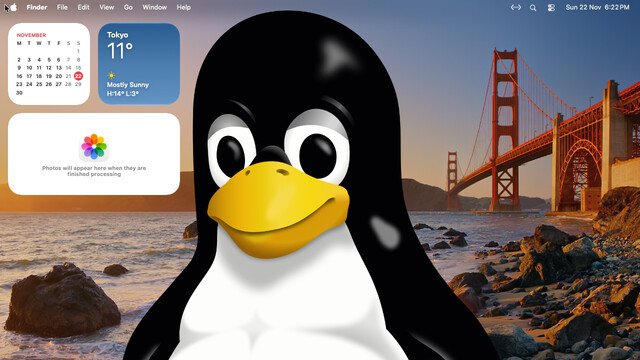
A new project called XNULinux enables macOS 27 to run directly on a Linux system. Instead of starting macOS in a virtual machine, XNULinux loads the macOS kernel directly into the Linux kernel. This method offers a novel way to utilize the features of macOS on Linux without the typical limitations of virtualization. The implementation of XNULinux is not without challenges. Although the system provides the desktop environment and applications of macOS, it is not directly bootable.
Users must therefore resort to alternative methods to start the system. This limitation could pose a barrier for some users seeking seamless integration. The project aims to improve interoperability between macOS and Linux. Developers have already reported initial successes in running macOS applications on Linux. This could be particularly interesting for software developers looking to create cross-platform applications.
The use of XNULinux could also impact the open-source developer community. By enabling macOS software to run on Linux, new synergies between the two operating systems could emerge. This could lead to increased collaboration and innovation in software development. Technically, XNULinux is based on a modified version of the Linux kernel that has been specifically optimized for interaction with the macOS kernel. These adjustments allow for more efficient communication between the two systems.
Developers have emphasized that the performance of macOS applications under XNULinux is comparable to running them on native macOS systems. The community has already responded to the release of XNULinux. Initial feedback from users presents a mixed picture. While some appreciate the ability to use macOS software on Linux, others express concerns regarding stability and user-friendliness. The developers are actively working on updates to address these issues.
Another aspect of XNULinux is its licensing. The project is under an open-source license, meaning anyone can use, modify, and redistribute the software. This could promote the spread and acceptance of the project within the developer community. The development of XNULinux may also raise legal questions, particularly regarding the use of the macOS kernel. Apple has historically enforced strict guidelines regarding the use of its operating system on non-Apple hardware.
It remains to be seen how these legal frameworks will affect the future of XNULinux. The first alpha version of XNULinux was released in November 2026. Developers and tech enthusiasts can already test the software and provide feedback to support further development. The community expects that upcoming versions will offer additional features and improvements.
The ability to run macOS applications on Linux could also be of interest to companies seeking a cost-effective solution for utilizing macOS software. XNULinux could represent an attractive option for businesses that rely on open-source technologies while also wanting to leverage the flexibility of macOS. The developers of XNULinux have announced plans to provide regular updates and new features. The next planned version is expected to be released in the first quarter of 2027 and is anticipated to bring improvements in user interface and system stability.




💬 Comentarii (0)
Inca nu exista comentarii. Fii primul!