


Uber and Pony AI Plan 2000 Robotaxis in Europe
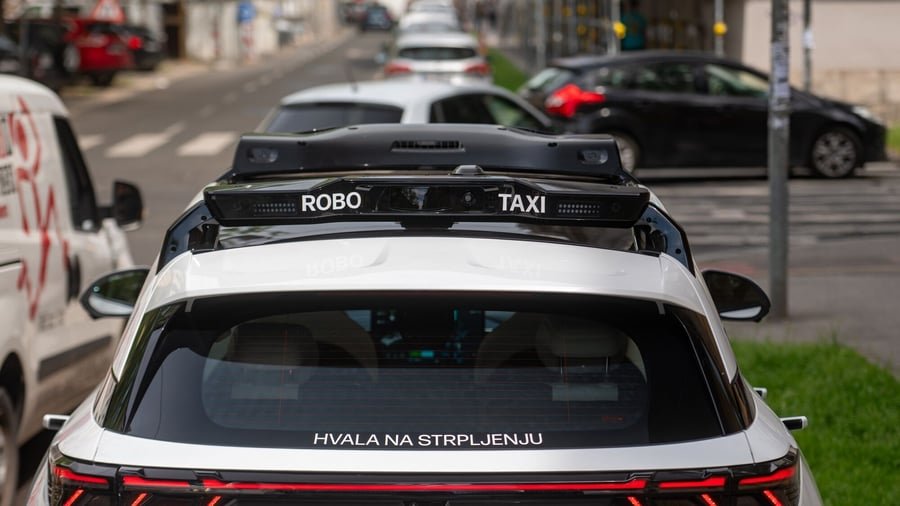
Uber and Pony AI have announced plans to deploy 2000 robotaxis in several European cities over the coming years. This initiative follows successful test runs in Zagreb, Croatia, where the partners have already achieved initial successes with their autonomous ride-hailing service. The expansion into Europe is part of a broader strategy aimed at increasing the acceptance of robotaxis in urban areas. The tests in Zagreb included several months of operation under real-world conditions, simulating various scenarios to ensure the safety and efficiency of the service.
The positive results from these tests have encouraged the partners to extend their plans to other European cities. The planned robotaxis are set to be equipped with advanced sensors and AI technology to enable safe navigation in urban traffic. These technologies include Lidar and cameras, which provide precise perception of the environment. The vehicles will also be outfitted with a comprehensive emergency management system to respond to unforeseen situations. The expansion into Europe comes at a time when skepticism towards robotaxis is increasing in other markets, particularly in China.
In China, there are concerns regarding the safety and legal frameworks for autonomous vehicles. These challenges could delay the introduction of robotaxis in those markets. Uber and Pony AI have already engaged in discussions with several cities in Europe to obtain the necessary permits for operating their robotaxis. The partners plan to initially launch in larger cities where the demand for alternative transportation is particularly high. Potential cities include Berlin, Paris, and Madrid.
The introduction of robotaxis could also impact the existing taxi and ride-hailing industry. Industry experts expect that the availability of autonomous vehicles could increase competition and influence pricing for ride services. This could present both opportunities and challenges for traditional taxi companies. The partners have emphasized that passenger safety is the top priority. To ensure this, the robotaxis will initially operate in a limited geographic area before expanding to additional regions.
The first rides are expected to begin in 2027, provided all necessary permits are granted. The technology behind the robotaxis is continuously being developed to meet the changing demands of urban traffic. The partners are investing significantly in research and development to optimize the systems and enhance the user experience. A key aspect of this development is the integration of real-time data, allowing the vehicles to dynamically adapt to traffic conditions. The collaboration between Uber and Pony AI could also serve as a model for future partnerships in the mobility sector.
Both companies have already gained experience in the field of autonomous driving and could create synergies through the exchange of technologies and know-how. This cooperation could accelerate the introduction of robotaxis in Europe and increase user acceptance. The initial test drives in Zagreb have demonstrated that the robotaxis can navigate safely and efficiently through urban traffic. The partners have received positive feedback from test users who praised the user-friendliness and comfort of the vehicles. This feedback will be incorporated into the further development and adaptation of the vehicles.
The introduction of robotaxis could also bring environmental benefits, as autonomous vehicles are generally more efficiently operated than conventional vehicles. This could contribute to a reduction in emissions in urban traffic. The partners are committed to integrating sustainable practices into their operational models. The next steps in this project include further technology development and obtaining the necessary permits from the relevant authorities. The partners are optimistic that they can implement the necessary steps in a timely manner to launch the robotaxis as planned. The initial rides in Zagreb have already shown that the technology works and is ready for deployment in urban environments.



💬 Comentarii (0)
Inca nu exista comentarii. Fii primul!