


Thailand Invests in Semiconductor Production with Infineon
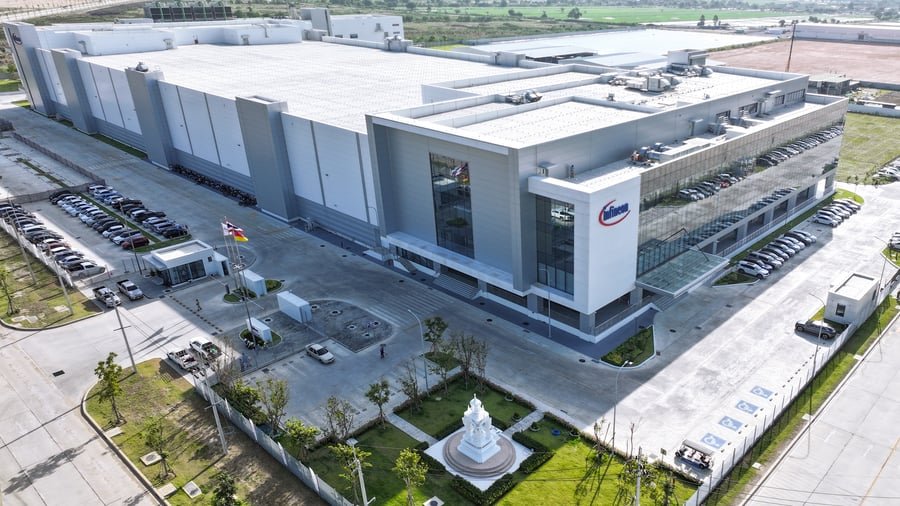
Thailand has announced plans to establish a new facility for Infineon Technologies to bolster its position in the semiconductor industry. This initiative aims to catch up with leading Asian chip locations such as Taiwan and South Korea. The construction of the plant is seen as a strategic move to promote the local economy and attract international investments. Infineon, a German semiconductor manufacturer, already has a significant presence in Asia. The new plant in Thailand is expected to increase production capacities for power semiconductors needed in various applications, including electric vehicles and renewable energy.
The decision to choose Thailand as the site was influenced by favorable economic conditions and support from the Thai government. In recent years, the Thai government has actively sought investments in the semiconductor industry. This is occurring in the context of global competition for the best locations for chip production. Thailand offers a combination of low production costs, a strategic location in the region, and a growing infrastructure that is attractive to companies. The semiconductor industry is a crucial sector for the Thai economy.
According to the Thai Ministry of Industry, semiconductor production already constitutes a significant portion of the country's exports. With the new Infineon plant, exports are expected to rise further and new jobs will be created. The Thai government aims to become one of the leading semiconductor locations in Asia by 2030. To achieve this goal, it plans to promote the training of skilled workers in semiconductor technology and support research and development centers. These measures are intended to ensure that Thailand has the necessary resources to compete in the global market.
Infineon has already announced that the new plant will utilize state-of-the-art technologies to maximize production efficiency and sustainability. This aligns with the global trend of implementing more environmentally friendly production methods. The investment in Thailand is also seen as part of Infineon's strategy to reduce dependence on individual production sites and diversify supply chains. The Thai semiconductor industry has experienced strong growth in recent years. In 2025, the total revenue of the sector is expected to reach approximately $3.5 billion, representing a 15% increase compared to the previous year.
Experts predict that this trend will continue, especially with the increasing demand for semiconductors across various sectors. The opening of the new Infineon plant is expected to take place within the next two years, although exact timelines have not yet been released. The Thai government has already announced that it will provide all necessary permits and support to expedite construction. Infineon has committed to involving the local community in the development process.
The company plans to collaborate with local universities and educational institutions to develop training programs tailored to the needs of the semiconductor industry. This is intended to ensure that future workforces possess the required skills. Infineon's investment in Thailand is part of a larger trend where companies in the semiconductor industry are expanding their production capacities in Asia. Given the global chip crisis and the rising demand for semiconductors, expansion into emerging markets like Thailand is crucial. According to industry analysts, the demand for semiconductors is expected to continue rising in the coming years, underscoring the need for new production facilities.
The Thai government has already launched several initiatives to promote the semiconductor industry. These include tax incentives for companies investing in research and development, as well as the creation of special economic zones for semiconductor production. These measures aim to position Thailand as an attractive location for international investors. The collaboration between Infineon and the Thai government is seen as a model for future partnerships in the region. Both parties have emphasized their commitment to working together to create a sustainable and competitive semiconductor sector.
Initial steps in this direction are already being planned. The Thai semiconductor industry faces challenges, including a shortage of highly skilled professionals and the need to invest in new technologies. Nevertheless, the opening of the Infineon plant is regarded as a crucial step in addressing these challenges and strengthening the country's competitiveness. The Thai government aims to increase semiconductor production by 50% by 2030. This will be supported by creating a favorable business environment and promoting innovation in the industry.
Infineon plans to gradually increase production capacities at the new plant to meet the growing market demands. The first products are expected to hit the market as early as 2028. The Thai semiconductor industry will continue to be a focus for international investors, especially given the country's strategic location in Southeast Asia. Collaboration with global companies like Infineon is seen as key to achieving the ambitious goals set by the Thai government. The Thai government has already announced that it will regularly review progress in the semiconductor industry to ensure that the set goals are met.
The next steps in this process will be announced in the coming months. Infineon's investment in Thailand is regarded as a significant step in the global semiconductor landscape. However, the exact financial details of the investment have not yet been disclosed. The Thai semiconductor industry is expected to continue growing in the coming years, supported by the increasing demand for semiconductors across various sectors. The opening of the new Infineon plant is seen as a critical factor for this growth.
The Thai government has committed to creating the necessary framework to support the semiconductor industry. This includes investments in infrastructure and education to ensure that Thailand remains a competitive location for semiconductor production. The Thai semiconductor industry is expected to play a key role in the country's economic development. Collaboration with international companies like Infineon is considered crucial for the success of this sector. The Thai government plans to regularly review progress in the semiconductor industry to ensure that the set goals are achieved.







💬 Comentarii (0)
Inca nu exista comentarii. Fii primul!