


Study on AI Hallucinations: Misleading Terminology
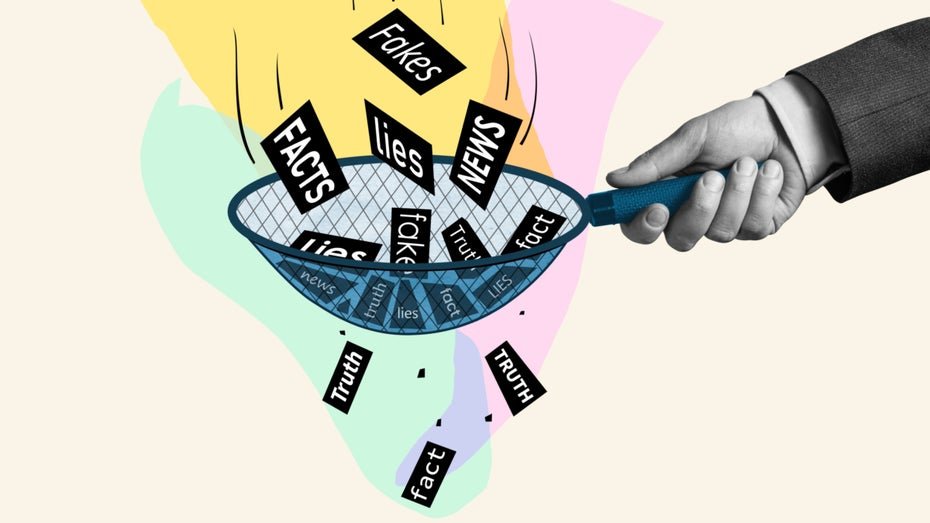
A recent study has examined the terminology surrounding the falsehoods generated by Artificial Intelligence (AI). The term "hallucination" is used in the tech industry to describe false information produced by AI systems. This designation is criticized as being trivializing, as it creates the impression that it is a harmless phenomenon rather than a serious problem. The study, conducted by a team of researchers at a renowned university, analyzed the use of the term in various contexts. The researchers argue that the use of "hallucination" diminishes companies' responsibility for the misinformation spread by their AI systems.
This could lead users to underestimate the risks and potential harms arising from false information. A central finding of the study is that the use of the term "hallucination" in the AI industry is not only misleading but also influences public perception of AI technologies. The researchers noted that many users associate the term with psychological phenomena, which downplays the seriousness of the issue. This could result in users being less cautious when dealing with AI-generated content. The study highlights that the AI industry often does not communicate transparently about how its systems operate.
This leads to users not understanding how and why AIs generate false information. The researchers call for clearer communication and responsible use of terminology to strengthen user trust in AI technologies. Another aspect of the investigation relates to the impacts of hallucinations across various AI application areas. In fields such as healthcare, law, and journalism, false information can have serious consequences. The researchers warn that inadequate handling of hallucinations in these critical areas can lead to significant harm.
The study suggests that companies developing AI technologies should revise their communication strategies. Instead of euphemistic terms like "hallucination," more precise and responsible terms should be used that better reflect the risks and challenges of AI technologies. This could help raise awareness of the issue and sensitize users. The discussion about terminology in the AI industry is not new, but it is gaining urgency in light of the increasing prevalence of AI applications. Experts are calling for a broader debate on the ethical implications of AI use and the responsibilities of companies.
The study could serve as a starting point for such discussions and help improve standards in the industry. The findings of the study were presented at an Artificial Intelligence conference held on November 25, 2026, in Berlin. The conference brought together leading experts from AI research, industry, and politics to discuss the challenges and opportunities of the technology. The researchers emphasize that it is crucial to rethink the terminology in the AI industry to gain public trust. "We need to change the language we use to reflect the reality of AI," said one of the lead authors of the study. "Only then can we educate users and protect them from the risks associated with the use of AI."






💬 Comentarii (0)
Inca nu exista comentarii. Fii primul!