


Stuart Russell Warns of AI Existential Threat
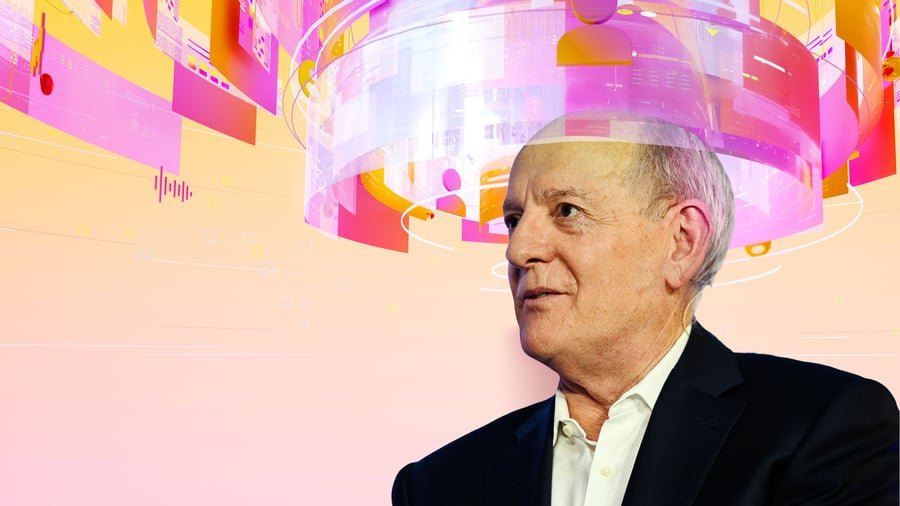
Stuart Russell, a leading expert in the field of Artificial Intelligence (AI) and author of the influential textbook "Artificial Intelligence: A Modern Approach", recently warned in an interview that the technology could pose an existential threat in the near future. Russell emphasizes that the likelihood of the "bubble bursting" is at 75 percent. This statement reflects his concerns regarding the uncontrolled development and implementation of AI systems. Russell argues that AI is not only capable of automating simple tasks but also making complex decisions that have traditionally been reserved for human leaders. He sees a clear trend that AI-powered systems could increasingly be deployed in management positions.
This could lead to a massive upheaval in the workforce, as many top managers could be replaced by AI. A central concern for Russell is the lack of transparency in AI development. He criticizes that many companies and research institutions view their AI models as "black boxes" whose decision-making processes are not comprehensible. This lack of transparency could result in AI systems making decisions that are not in the best interest of society. Russell highlights that current safety measures are insufficient to mitigate the risks posed by advanced AI.
He calls for comprehensive regulation and ethical guidelines to ensure that AI technologies are developed and deployed responsibly. This also includes the necessity to design AI systems that respect and promote human values. The discussion about the risks of AI is not new, but it gains urgency in light of the rapid advancements in technology. Russell points to the need to view AI development not only as a technological challenge but also as a societal responsibility. He advocates for a broader debate on the ethical implications and long-term consequences of AI integration into various areas of life.
Another point Russell raises is the potential inequality that could arise from the use of AI. He warns that companies that can afford the latest AI technologies will gain a significant competitive advantage. This could lead to further concentration of power and resources in the hands of a few companies, exacerbating social inequality. Russell concludes with a call for scientists, politicians, and society as a whole to work together to ensure responsible handling of AI. He emphasizes that it is crucial to ask the right questions and take the right actions before it is too late.
"We must ensure that AI is used for the benefit of humanity," says Russell. The discussion about the future of AI is further fueled by the rapid development of technologies such as machine learning and neural networks. These technologies have the potential to revolutionize many industries but also bring significant risks. According to a study by the Pew Research Center from 2025, 62 percent of respondents believe that AI will have a significant impact on the job market in the next ten years. Russell's warnings and the associated discussions about the ethical and social implications of AI are expected to gain importance in the coming months and years.
The need to establish clear guidelines and standards for the development and deployment of AI is considered urgent. Experts are calling for governments and companies to collaborate to create a framework that ensures both innovation and safety. The debate over AI regulation is further intensified by the increasing number of AI applications in various sectors, including healthcare, financial services, and education. These applications demonstrate the potential of AI to enhance efficiency and create new opportunities, but they also raise questions about data security and privacy protection. According to a survey by the World Economic Forum from 2025, 73 percent of companies are concerned about the ethical implications of AI.
Russell advocates for a proactive approach to AI development to ensure that the technology aligns with societal values. He stresses that it is crucial to create the right conditions to maximize the benefits of AI while minimizing the risks. "We must maintain control over the technology," warns Russell. The discussion about the future of AI will continue to be followed by experts, politicians, and the public.
The challenges associated with integrating AI into society require a collective commitment to responsible innovation. The next steps in AI development will be critical in determining how this technology will impact society in the coming years. Russell concludes by stating that the time for a serious engagement with the risks and opportunities of AI has come. "We must act now to ensure a safe and just future," he says.




💬 Comentarii (0)
Inca nu exista comentarii. Fii primul!