


Sony and Nintendo in the Battle Against Clone Games
Sony has announced that it is intensifying its efforts against the flood of clone games in the PlayStation Store. The company has already removed several titles classified as shovelware. These games are characterized by low quality and often by plagiarism, offering users a subpar gaming experience. This move is part of a comprehensive strategy to improve the quality of content in the store and strengthen user trust. In contrast, Nintendo is pursuing a different approach to dealing with clone games.
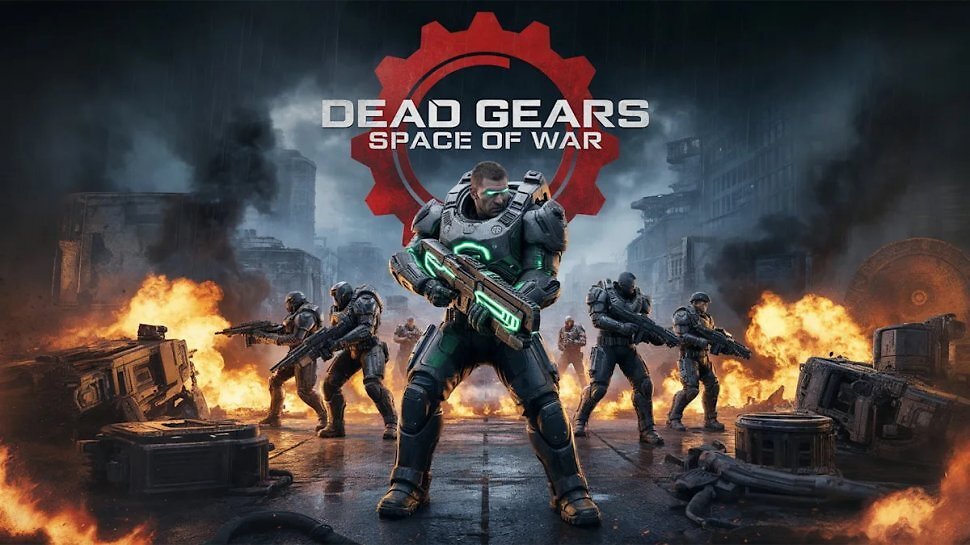
The company is utilizing algorithms to identify and filter problematic titles. This technology analyzes game entries and recognizes patterns that indicate plagiarism. Nintendo has previously removed some titles from the Nintendo eShop that violated its guidelines. A current example of the challenges both companies face is the game Dead Gears. This game has been identified as a clone of a popular title by both Sony and Nintendo.
While Sony immediately removed the game from the store, it was not initially blocked by Nintendo, leading to controversy among users. Reactions to Sony's measures have been largely positive. Players and developers welcome the initiative, hoping it will lead to higher quality games in the PlayStation Store. Sony has emphasized that the removal of shovelware benefits not only users but also developers who create high-quality games. On the other hand, Nintendo is facing criticism as the algorithms are not always reliable.
Some users report legitimate games being mistakenly identified as clones. This has led to an increase in complaints, and Nintendo has announced plans to further optimize the algorithms to improve accuracy. The discussion about clone games is not new; however, the increasing number of such titles in recent years has drawn the industry's attention. Industry analysts estimate that clone games now account for over 30% of new releases in digital stores. This has significant implications for both developers and platform operators.
To improve the situation, both Sony and Nintendo have introduced guidelines to help developers meet quality standards. Sony has launched a program that provides developers with resources to enhance the quality of their games. Nintendo, on the other hand, offers training to help developers better understand and comply with the guidelines. The measures taken by both companies could have long-term effects on the entire industry. Experts believe that increased regulation of content in digital stores is necessary to ensure quality and regain user trust. The discussion about clone games is expected to remain a central topic in the future. The next major review of digital content guidelines is scheduled for July 2026, during which both Sony and Nintendo may adjust their strategies to better address market challenges.





💬 Comentarii (0)
Inca nu exista comentarii. Fii primul!