


Samsung Warns of Ongoing Memory Crisis Until 2028
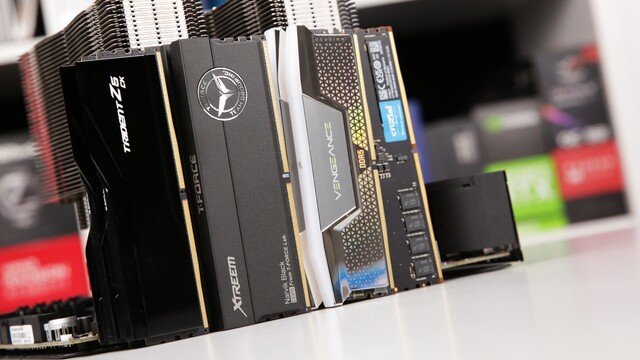
Samsung has pointed out in a recent analyst conference that the ongoing memory crisis will still be felt in 2027. Kim Jaejune, Executive Vice President of the memory chip division, stated that supply difficulties are expected to persist until 2028. The reasons for this development lie in the significantly increased demand, which could not be sufficiently met this year. The situation is exacerbated by existing orders and requests that are being pushed into next year. This leads to the prices of RAM, SSDs, and other memory products remaining high or even increasing.
Manufacturers are forced to raise prices to meet the increased demand. A significant factor contributing to the shortage is the practice of large companies entering into long-term contracts with memory manufacturers. These contracts block capacities for new orders until they expire. The growing interest in artificial intelligence and the associated data centers has further increased the demand for RAM, pushing the sale of RAM and SSDs in the consumer sector to the back. The slow establishment of new semiconductor manufacturing facilities also contributes to the tense situation.
The construction of such facilities takes several years and cannot respond quickly to market needs. Experts from other memory manufacturers such as SK Hynix, ADATA, and Micron confirm that the situation will not improve in the coming year. The challenges for smaller manufacturers are significant. Market pressure could lead to some companies not surviving. The production of RAM is not only time-consuming but also associated with high costs, further raising the barriers to entry for new providers.
The demand for memory chips is expected to continue rising in the coming years, particularly due to the boom in the AI industry. This development could result in the consumer market remaining undersupplied while industry priorities are directed towards more profitable business areas. The memory crisis has already impacted various product categories, including smartphones, laptops, and graphics cards. Manufacturers are forced to increase prices for these products, which could influence consumer purchasing decisions. The uncertainty regarding the future availability of memory products could also slow down innovation cycles in the technology sector.
Analysts agree that the memory shortage will not only have short-term effects but could also bring about long-term changes in the market. The dependence on a few large manufacturers could tighten competitive conditions and drive prices even higher. The memory crisis is expected to influence the development of new technologies as well. Companies reliant on memory chips may need to adjust their strategies to cope with rising costs and limited availability. The industry faces the challenge of finding innovative solutions to meet demand while controlling production costs.
Forecasts indicate that memory prices will remain high in 2027. Uncertainty about market developments could force companies to strategically plan their inventories and reconsider long-term contracts. According to Kim Jaejune, the industry will continue to be under pressure to address the challenges of the memory shortage. "Supply difficulties are expected to persist until 2028," said Kim Jaejune during the analyst conference.







💬 Comentarii (0)
Inca nu exista comentarii. Fii primul!