


Remake Culture in the Gaming Industry 2026
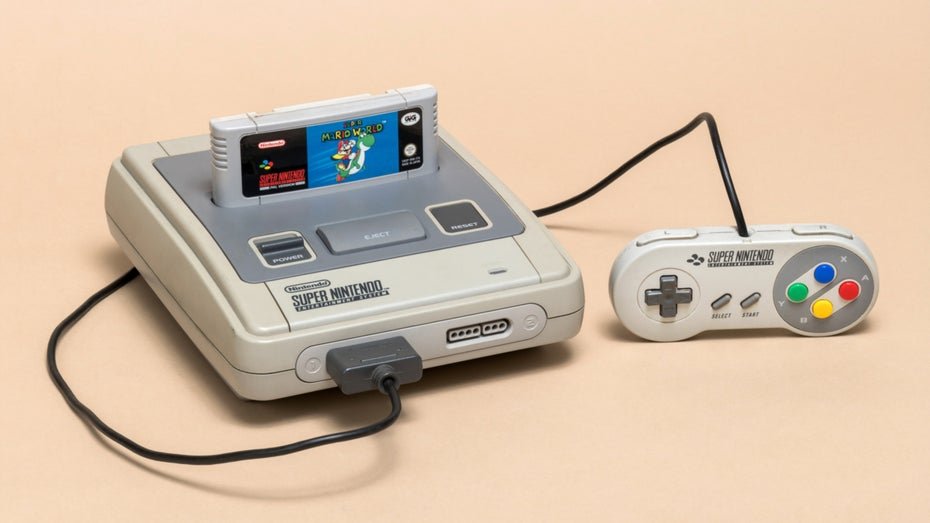
The gaming industry faces a challenge in 2026: As revenues stagnate, companies are increasingly turning to remakes, remasters, and sequels. This strategy aims to leverage players' nostalgia to secure financial success. However, the dependence on established brands could have long-term negative effects on creativity and innovation within the industry. An example of this trend is the return of classic titles that have been re-released in recent years. Games like Final Fantasy VII Remake and Resident Evil 2 have not only won back old fans but also attracted new players.
These remakes have often achieved high sales figures, demonstrating that the demand for nostalgic experiences remains strong. However, the financial security that remakes provide has also resulted in fewer resources being invested in the development of new, original games. Industry analysts warn that this could lead to a stagnant market where innovations become scarce. The reliance on nostalgic titles could jeopardize the diversity of the gaming landscape. Another aspect is the players' reactions to these remakes.
While many appreciate the revamped versions, there is also criticism regarding the lack of originality. Players are increasingly demanding new ideas and concepts instead of repeatedly revisiting old titles. This discrepancy between player expectations and company strategies could lead to a tension-filled environment. Game developers face the challenge of finding a balance between utilizing nostalgic elements and creating new content. Some companies are already experimenting with hybrid approaches that combine old game elements with new mechanics.
Such innovations could help maintain player interest while ensuring financial security. The discussion surrounding the remake culture is also being actively pursued by the community. Forums and social media are filled with opinions that highlight both the advantages and disadvantages of this strategy. Players express concerns that the constant return to old titles hinders the development of new ideas and leads the industry into a creative dead end. The future of the gaming industry may heavily depend on its ability to create new and exciting content while respecting players' nostalgia.
The balance between these two aspects will be crucial for the long-term success of the industry. According to a survey among players, 67% indicated that they desire more new games, while 33% prefer remakes. The discussion about the remake culture will continue at upcoming fairs and conferences. Industry representatives and developers will seize the opportunity to present their strategies and hear players' opinions. The next major event, Gamescom 2026, will take place in August and is expected to spark numerous discussions about the future of game development.
Thus, the gaming industry must ask how it can leverage players' nostalgia without sacrificing creativity. The coming years could be decisive for how the market evolves and what new trends emerge. The industry faces the challenge of finding the right balance between remakes and innovative ideas. The revenues of the gaming industry amounted to $175 billion in 2025, with the share of remakes and remasters steadily increasing.




💬 Comentarii (0)
Inca nu exista comentarii. Fii primul!