


Radio Signal from Space: 10 Billion Year Journey
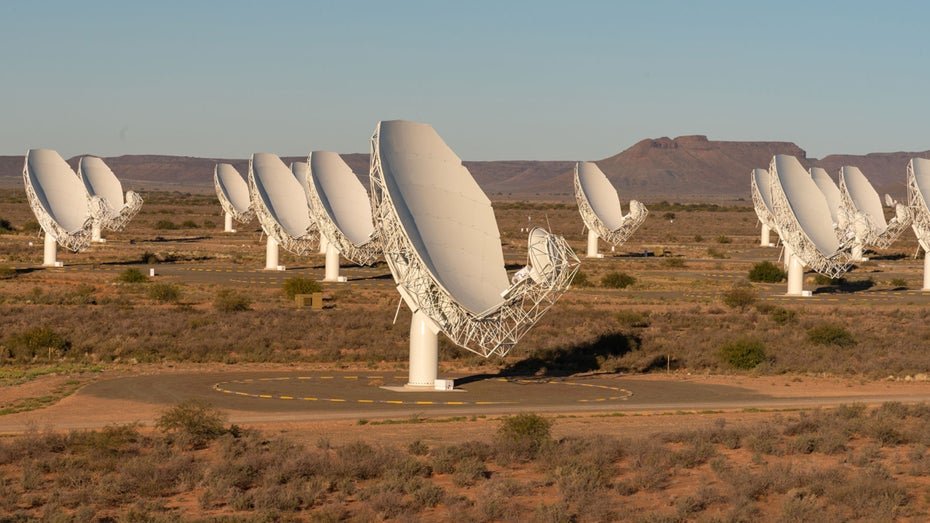
A high-energy radio signal, emitted approximately 10 billion years ago, has drawn the attention of astronomers. The origin of the signal was unclear for a long time until the latest infrared telescope, the James Webb Space Telescope, directed its instruments at the suspected source. This discovery could provide new insights into the early phase of the universe. The signal has been classified as a Fast Radio Burst (FRB), a type of astrophysical phenomenon known for its extremely short duration and high energy. Scientists have found that FRBs typically last only milliseconds, but the energy they release is enormous.
This specific discovery could represent the oldest known source of an FRB to date. The identification of the signal's source was made possible by combining data from the James Webb Telescope and other observatories. Researchers analyzed the spectral properties of the signal to draw conclusions about its origin. The analysis revealed that the signal comes from a region surrounded by a massive galaxy that is in an early phase of galactic evolution. The discovery raises questions about the physical processes occurring in such early galaxies.
Astronomers suspect that the conditions in these galaxies may be extremely different from those in our own galaxy. These insights could help expand the understanding of star formation and galaxy development in the early universe. In addition to the astronomical implications, the signal may also provide clues about the existence of exotic astrophysical objects. Some scientists speculate that the signal could originate from a neutron star or another compact object existing in an extreme state. This hypothesis is supported by the high energy of the signal.
Research on FRBs has gained significance in recent years, as they could potentially provide new information about the structure of the universe and the nature of dark matter. The discovery of this particular signal could pave the way for future studies aimed at better understanding the physical properties and distribution of FRBs in the universe. Scientists plan to conduct further observations to learn more about the source and environmental conditions of the signal. These observations could take place in the coming months using the James Webb Telescope and other powerful telescopes. The results of these studies could be crucial in testing theories about the development of the universe.
The discovery of the 10 billion-year-old signal marks a significant advancement in astronomy. It demonstrates how modern technologies and telescopes can help unravel the mysteries of the universe. Astronomers are optimistic that this discovery will open new avenues for exploring the cosmos. The results of this research are expected to be presented at an upcoming conference of the Astronomical Society of the Pacific, scheduled for December 2026.





💬 Comentarii (0)
Inca nu exista comentarii. Fii primul!