


Pope Calls for Oversight of Artificial Intelligence
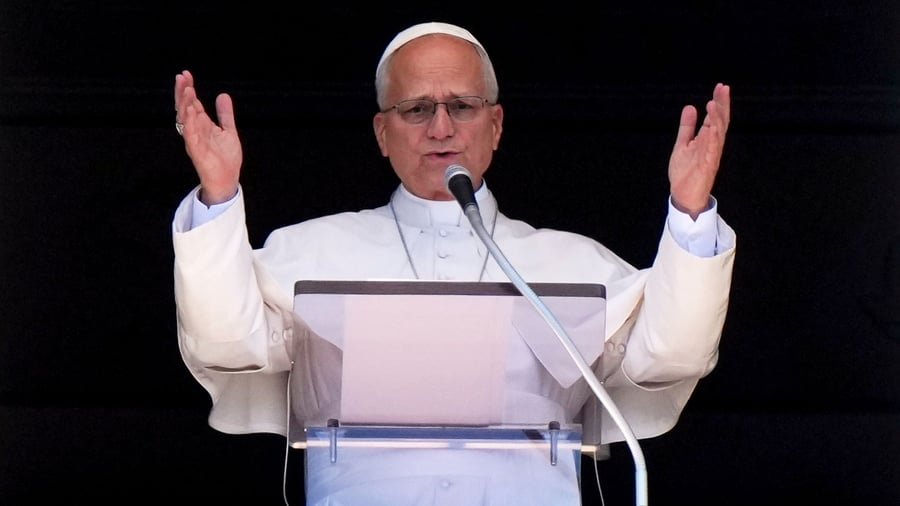
Pope Leo XIV reaffirmed his calls for institutional oversight in the development of Artificial Intelligence (AI) on November 2, 2026. In a new statement, he emphasized the need to establish ethical standards and guidelines to address the risks and challenges associated with AI development. This demand follows his earlier encyclical, in which he already highlighted the moral implications of the technology.
The Pope expressed concern about the potential dangers posed by unregulated AI. He pointed out that AI systems, if not adequately monitored, could lead to discrimination, injustice, and even threats to human dignity. These concerns reflect the current debates surrounding the ethical boundaries of AI technology. In his statement, Leo XIV urged the international community to collaborate in creating a global framework for the regulation of AI.
He stressed that such collaboration is crucial to ensure that AI serves humanity and is not used against it. The Pope sees the necessity for governments, businesses, and religious institutions to work together on solutions. The Catholic Church has previously engaged with technological developments. Leo XIV builds on this tradition by bringing the ethical dimensions of AI to the forefront.
He calls for a comprehensive discussion on the responsibilities of developers and users of AI technologies to ensure that they align with the values of humanity. Reactions to the Pope's statements are mixed. While some experts support his calls and emphasize the need for regulation, there are also critics who argue that overly strict regulations could hinder innovation. This debate is expected to intensify in the coming months, particularly in light of upcoming international conferences on AI and ethics. Some countries have already taken steps to regulate AI.
For instance, the European Union introduced a draft law in 2023 aimed at ensuring the safety and transparency of AI systems. These developments could serve as a model for other countries facing similar challenges. The discussion on AI regulation is also influenced by the rapid advancement of the technology itself. With the introduction of new AI models and applications, concerns grow that existing laws and guidelines may be insufficient to manage the associated risks. Experts warn that without proper oversight, the danger of misuse and misapplication increases.
The Pope appeals to the responsibility of all stakeholders to actively participate in shaping ethical AI development. He calls for a broad societal debate to define the values and principles that should guide the development and use of AI. The Pope sees this as an opportunity to lead humanity down a positive path characterized by respect and responsibility. The Catholic Church plans to organize a series of events in the coming months to raise awareness of the ethical challenges posed by AI.
These initiatives aim to create a platform for dialogue among various stakeholders. The Pope emphasizes that the time for such a discussion is now, to set the course for the future. "We must ensure that the technology we develop respects and promotes human dignity," said Leo XIV in his statement.






💬 Comentarii (0)
Inca nu exista comentarii. Fii primul!