


Nvidia Halts Chip Deliveries to Southeast Asia
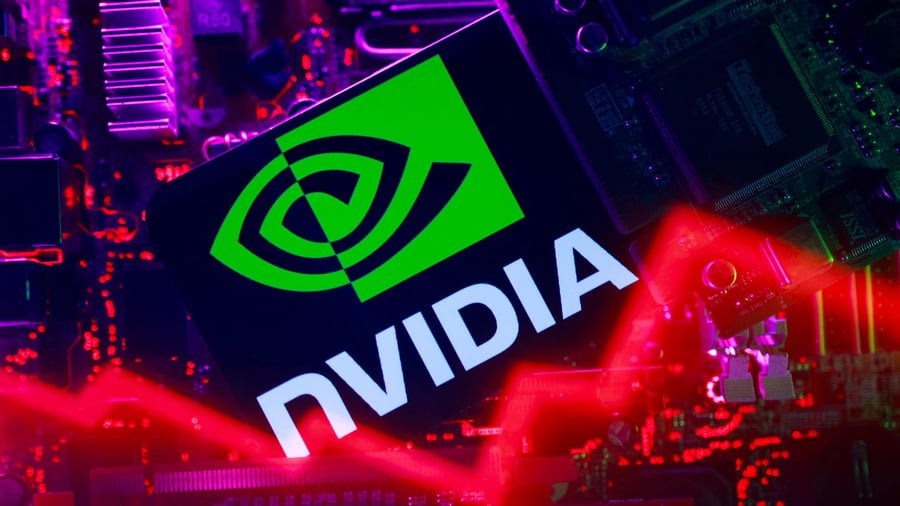
Nvidia has reportedly halted the delivery of new AI chips to four countries in Southeast Asia. This action is part of the US government's policy aimed at limiting China's access to advanced technology. The affected countries have not been named, but they are believed to be strategically important markets. Nvidia's decision could have significant implications for the AI market in the region. Southeast Asia is considered an emerging market for AI technologies, and the availability of Nvidia chips is crucial for the development of local businesses.
The US government aims to control the spread of technologies that could be used for military purposes with this measure. Analysts estimate that the AI chip market in Southeast Asia could reach a volume of several billion US dollars in the coming years. Nvidia has previously invested heavily in expanding in this region to benefit from the growing demand for AI applications. The current delivery halts could significantly impact the company's market strategy. In recent years, the US government has taken several measures to limit technology transfer to China.
These include export controls and trade restrictions aimed at preventing China's access to critical technologies. Nvidia is one of the companies most affected by these regulations, as it is a leader in the development of AI chips. Nvidia's decision could also have legal and economic consequences. Companies in the affected countries may be forced to seek alternative suppliers or delay their projects. This could lead to a slowdown in the pace of innovation in the region, as many companies rely on Nvidia chips to develop their AI solutions.
The response of the affected countries to the delivery halts remains to be seen. Some governments may attempt to negotiate with Nvidia or the US government to minimize the impact on their technology projects. Others may feel compelled to rethink their strategies for developing AI technologies and seek alternative partnerships. The situation highlights the growing tensions between the US and China in the technology sector. Control over advanced technologies is increasingly viewed as a strategic asset, and companies like Nvidia are at the center of this geopolitical conflict.
The US government has made it clear that it is prepared to take measures to secure its technological advantages. The effects of this decision could also ripple through global supply chains for semiconductors and AI technologies. Companies worldwide are closely monitoring developments, as they could potentially affect the availability and prices of chips. Nvidia has previously emphasized its commitment to meeting customer needs while complying with legal requirements. The US government tightened export controls on AI technologies in 2023 to restrict China's access to critical technologies.
These measures have already led to a decline in exports to certain regions. Nvidia will continue to face pressure to adjust its business strategies to meet the new requirements. The decision by Nvidia to halt deliveries to Southeast Asia could also alter the competitive landscape in the AI chip sector. Other companies may attempt to fill the gap left by Nvidia's absence. This could lead to intensified competition as companies strive to establish themselves in a rapidly changing market.
The US government has deemed measures to control technology transfer to China necessary to safeguard national security interests. Nvidia will continue to play a key role in this strategy, as the company is at the forefront of AI chip development. The next steps of the US government and the reactions of the affected countries will be crucial in determining future developments in this area. Current developments could also impact investments in the AI sector. Investors may become more cautious as they consider the uncertainties associated with export controls and geopolitical tensions.
Nvidia has previously emphasized its commitment to developing innovative solutions to meet market challenges. The US government released a new policy on November 15, 2026, further tightening export controls on AI technologies. This policy could form the basis for future actions against companies that violate the new regulations.





💬 Comentarii (0)
Inca nu exista comentarii. Fii primul!