


Nvidia CEO Huang Calls for Greater Openness in Germany
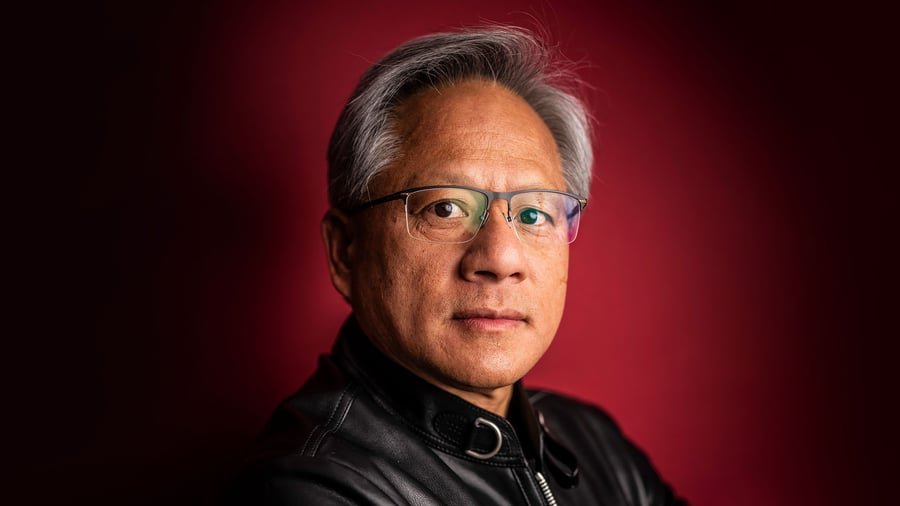
Jensen Huang, CEO of Nvidia, sharply criticized the regulatory culture in Germany in a recent interview with Handelsblatt. He calls for a more open attitude towards innovations, particularly in the field of Artificial Intelligence (AI). Huang emphasizes that Germany has the potential to take a leading role in the AI revolution if it succeeds in dismantling existing bureaucratic hurdles. He expressed concern about the prevailing mindset that dominates many discussions around regulation. "What kind of culture is it where every conversation revolves around regulation?" he rhetorically asked.
In his view, the focus should be more on promoting innovations to avoid falling behind in global competition. The Nvidia CEO sees Germany as a potential driver of AI development if the framework conditions are right. He highlights that the German industry possesses extensive resources and expertise that are crucial for the development and implementation of AI technologies. Huang urges policymakers to leverage these strengths and create an environment that favors innovations. A central point in Huang's argument is the necessity to intensify collaboration between companies and research institutions.
He suggests that Germany should learn from the experiences of other countries that have already successfully implemented AI initiatives. Huang points to the USA and China, where faster implementation of technologies is possible due to fewer regulatory hurdles. He emphasizes that the development of AI is not only a technical challenge but also a societal one. He calls for a broader discussion on the ethical implications of AI and the responsibilities of companies. "We must ensure that AI is used for the benefit of society," Huang stated.
Regarding the future of AI in Germany, Huang sees great opportunities, particularly in the automotive and mechanical engineering sectors. These sectors could significantly benefit from the use of AI technologies. Huang highlights that companies willing to invest in AI will be more competitive in the long run. The discussion around AI regulation is not new; however, it has gained urgency in recent years. Huang calls for a balance between necessary regulation and the freedom to develop innovations.
He warns that excessive regulations could jeopardize the innovative capacity of the German economy. Huang concludes the interview with a call to German policymakers to act more boldly. "We need a culture that promotes innovations, not hinders them," he says. This is crucial to avoid falling behind in international competition. The discussion on AI regulation is expected to play a central role at the upcoming AI summit in Berlin in December 2026.






💬 Comentarii (0)
Inca nu exista comentarii. Fii primul!