


New Law Against Digital Violence Introduced
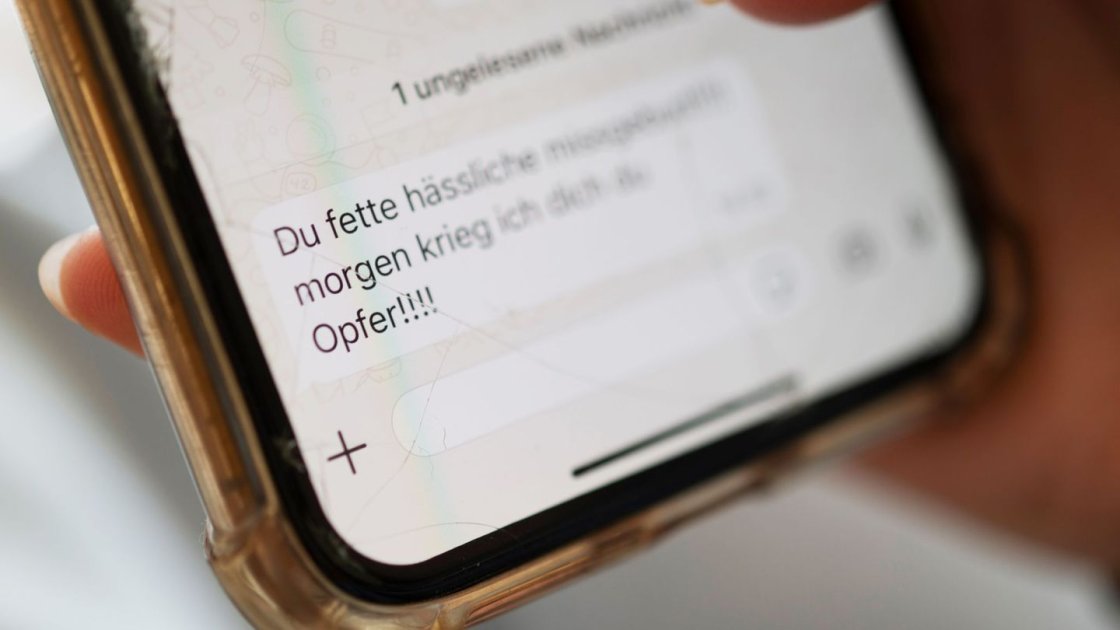
Justice Minister Stefanie Hubig introduced a draft law on Friday aimed at providing better legal options for victims of digital violence. The goal is to combat hate, sexual harassment, and other forms of online abuse more effectively. The draft includes new rights to information and measures such as court-ordered account suspensions. Hubig emphasized that digital violence is a mass phenomenon that particularly affects women. "Millions of people are affected, and the numbers are rising rapidly," stated the SPD politician.
She pointed to the increasing prevalence of deepfakes and cyberstalking, which have become commonplace in the digital age. The draft law encompasses various forms of digital violence, including hate speech, unauthorized publication of personal data (doxing), unsolicited sending of pornography, cybergrooming, cyberbullying, and identity theft. Hubig noted that there is currently no specific criminal offense for deepfakes, despite their significant infringement on personal rights. The debate surrounding the draft law gained additional urgency after actress Collien Fernandes reported in late March about fake profiles disseminating pornographic content in her name. She accused her ex-husband Christian Ulmen, who, however, enjoys the presumption of innocence.
A survey by the industry association Bitkom revealed that around 25% of respondents have experienced digital violence. Among those aged 16 to 29, this figure rises to 43%. 80% of respondents support consistent prosecution of digital assaults. The German Judges' Association also expressed positive views on the proposed measures, calling them overdue. "The rule of law must take a more consistent approach against violations of privacy and personal rights in the digital space," said a spokesperson for the association.
Hubig announced that the draft law will affect both criminal and civil law. "Violence is unacceptable, and digital violence online is equally unacceptable," she stated. The minister emphasized that the consequences of digital violence for victims are as severe as those of physical assaults. The proposed measures aim to adapt the legal framework to the digital reality.
Hubig explained that it is necessary to create both criminal and civil law instruments to adequately address the needs of victims of digital violence. The minister plans to introduce the draft law to the Bundestag in the coming weeks. However, a specific date for its passage has not yet been set. Hubig concluded with the words: "It takes no more than a minute to create a deepfake that looks truly convincing and massively violates personal rights."





💬 Comentarii (0)
Inca nu exista comentarii. Fii primul!