


New Insights into the Atacama Desert through Cosmic Radiation
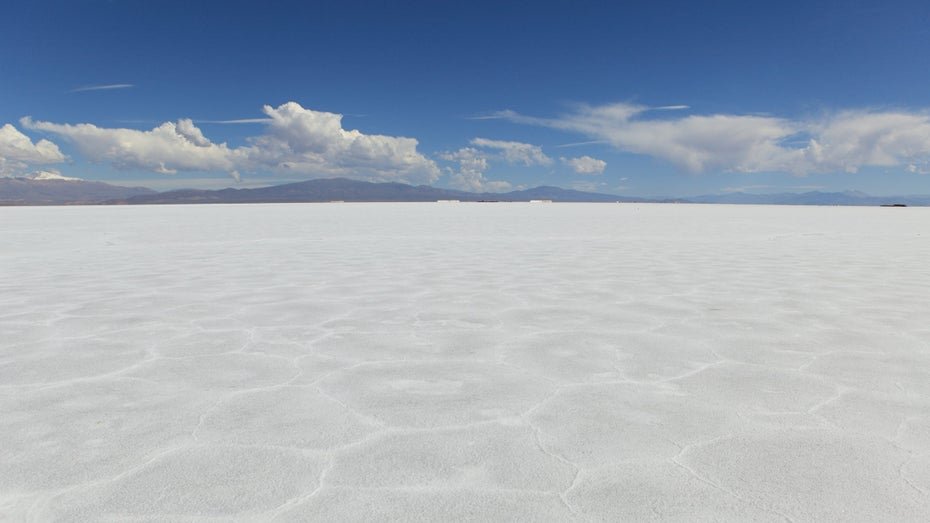
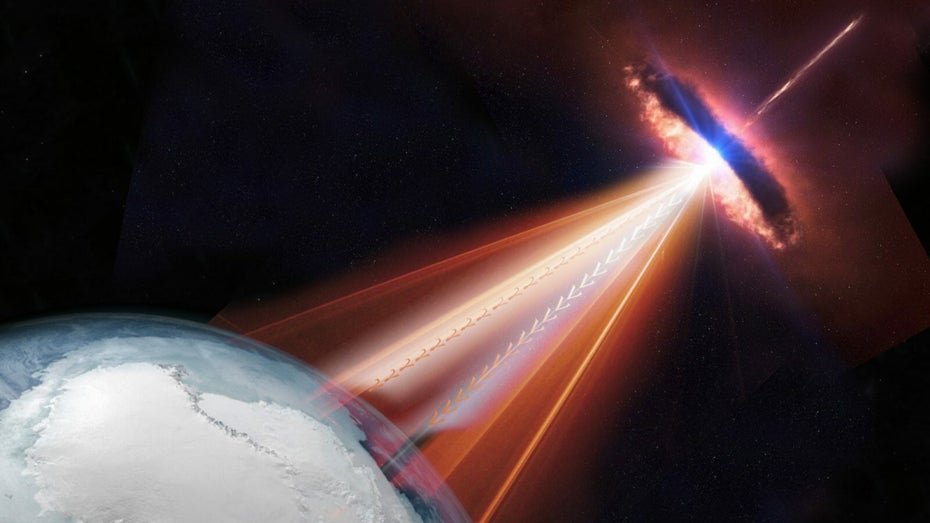
Scientists have gained new insights into the age of the Atacama Desert in Chile by analyzing rocks in the region. The study, published in the journal "Nature", utilizes cosmic radiation as a timekeeper to more accurately date the desiccation of the area. This method could also be significant for other geological investigations. Previous geological theories dated the desiccation of the Atacama Desert to about 15 million years ago. However, the new findings suggest that this process may have begun as far back as 30 million years ago.
This discovery could have far-reaching implications for understanding climatic changes in the region. The researchers employed a technique called Cosmogenic Nuclide Dating, which is based on measuring isotopes produced by the interaction of cosmic radiation with rocks. This method allows for determining the time span since the rock has been exposed at the surface. The analysis revealed that the rocks in the Atacama Desert are much older than previously assumed. Another aspect of the study is the connection between the desiccation of the Atacama and global climatic changes.
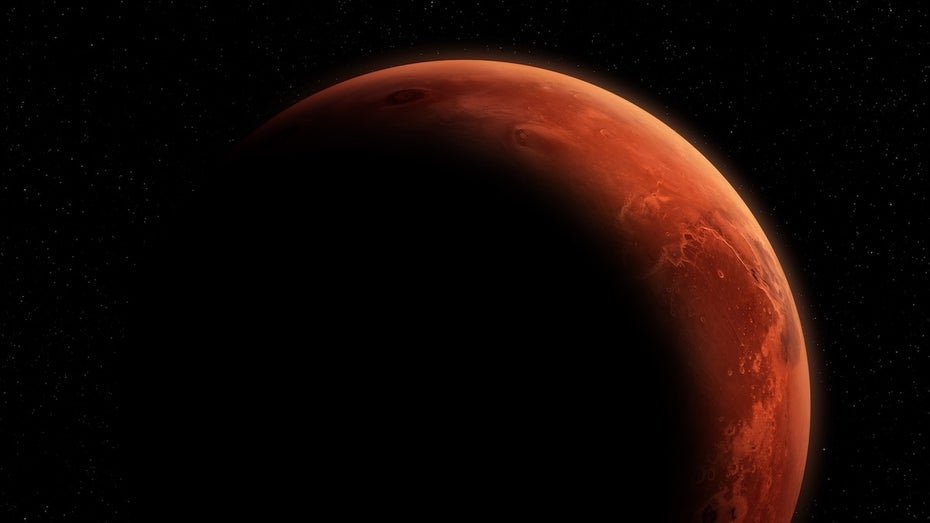
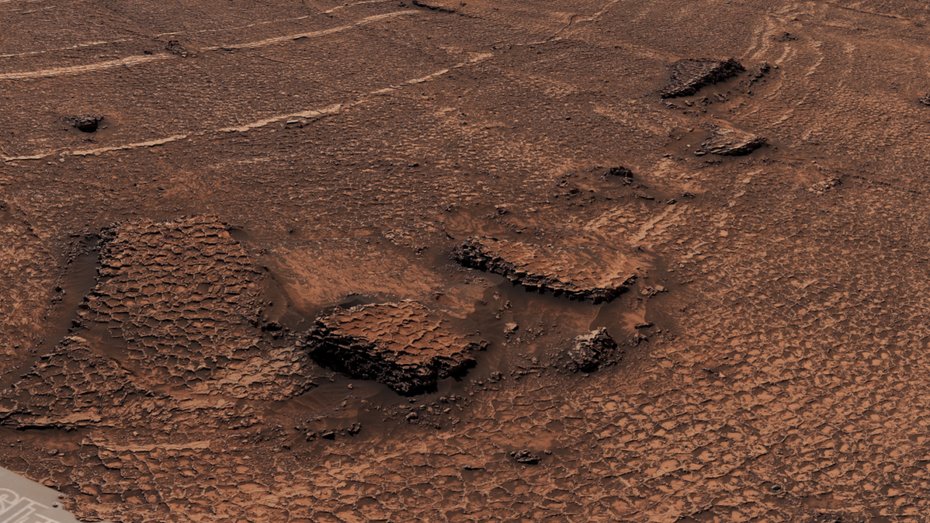
The researchers suspect that the desiccation is linked to the formation of the Humboldt Current and the associated changes in atmospheric circulation patterns. These insights could also be relevant for understanding other arid regions. The Atacama Desert is known for its extreme conditions, making it one of the driest places on Earth. The new data could help improve the understanding of the development of such extreme climate zones. The researchers emphasize that the results are also of interest for space exploration, as they may provide insights into geological processes on other planets.
The study could also impact future research in geology and climate science. The use of cosmic radiation as a timekeeper opens new possibilities for dating geological events. This could be particularly significant in regions where conventional dating methods are difficult to apply. The researchers plan to further refine their methods and analyze additional rock samples from the Atacama Desert. The goal is to obtain a more comprehensive picture of the geological history of the region.
The findings could also contribute to a better understanding of the impacts of climate change on arid areas. The study was conducted by an international team of geologists and climate scientists specializing in the investigation of extremely dry regions. The results were published on June 14, 2026, and could significantly influence geological research in the coming years.

💬 Comentarii (0)
Inca nu exista comentarii. Fii primul!