


New Measurement Data on Super-Earth Could Indicate Habitability
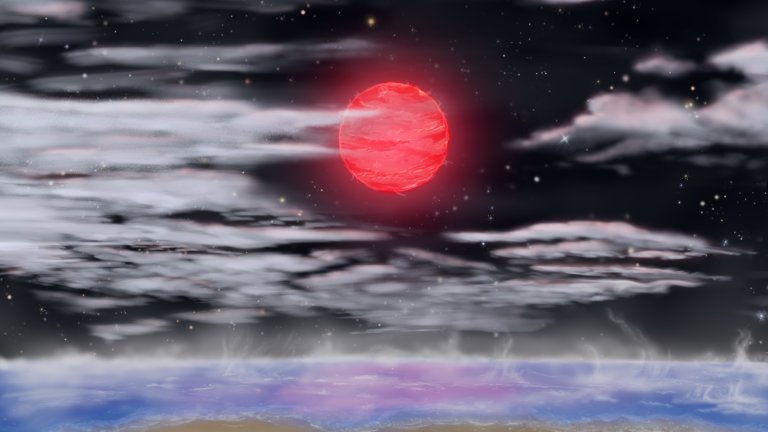
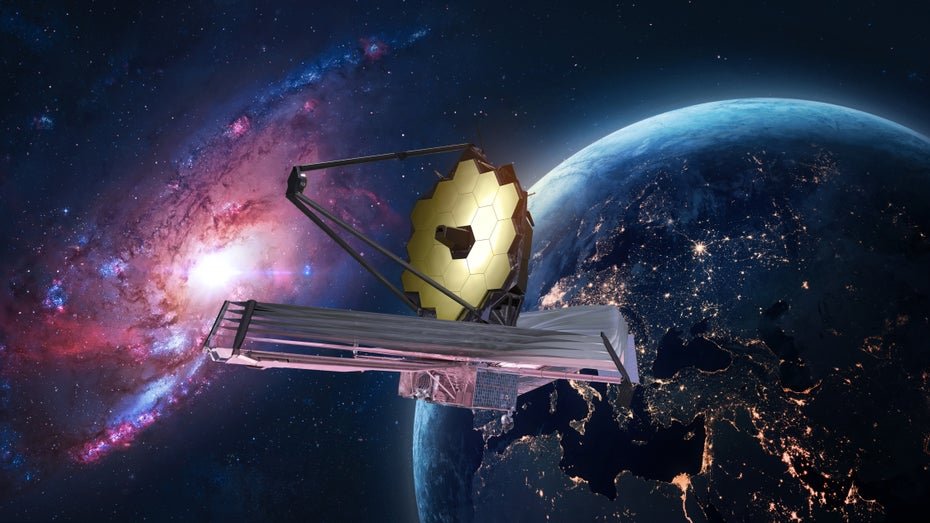
Current measurement data from state-of-the-art sensors indicate that a Super-Earth near our solar system may possess life-friendly conditions. These findings compel scientists to reconsider their previous assumptions about the habitability of exoplanets. The measurements come from telescopes equipped with advanced technology that allows for a more accurate analysis of atmospheric conditions. The Super-Earth under investigation is located in the habitable zone of its star, meaning it could theoretically have liquid water on its surface. This zone is the area around a star where temperatures are suitable for water to exist in liquid form.
The discovery of such planets is of great significance, as water is considered a crucial factor for the emergence and sustenance of life. The new data show that the atmosphere of the Super-Earth has a composition that may support the formation of clouds and precipitation. These findings could suggest that the conditions on this planet might be suitable not only for microbes but also for more complex life forms. Scientists emphasize that the exact chemical compositions of the atmosphere still need further investigation. Another interesting aspect is the size of the Super-Earth, which is about 1.5 times larger than Earth.
This size could imply that the planet has stronger gravity, which may increase the possibility of stable water resources. Research on such planets could also provide important insights into the emergence of life beyond our solar system. The measurement data were obtained using spectroscopy, a technique that allows for the analysis of a planet's light to gather information about its atmosphere. This method has gained importance in recent years and is increasingly used for the study of exoplanets. Scientists hope that future missions will provide even more detailed data.
The discovery of potentially life-friendly conditions on a Super-Earth could also impact the search for extraterrestrial life. Astronomers and astrobiologists are particularly interested in how such conditions might influence the development of life. Research in this area could open new perspectives on the question of the existence of life in the universe. The results of these measurements could also influence the planning of future space missions. Scientists are already discussing potential missions aimed at investigating this Super-Earth more closely.
Such missions could be equipped with new technologies that enable even more precise analysis of atmospheric conditions. Research on this Super-Earth is part of a larger trend in astronomy focused on the discovery and analysis of exoplanets. In recent years, thousands of exoplanets have been discovered, many of which lie in the habitable zone of their stars. These discoveries have revolutionized our understanding of planet formation and the conditions for life in the universe. The next steps in research will focus on further characterizing the atmospheric conditions of this Super-Earth. Scientists plan to combine the data with additional observations to obtain a more comprehensive picture of its potential habitability. The next observations are scheduled for 2027, when new telescopes will be operational.

💬 Comentarii (0)
Inca nu exista comentarii. Fii primul!