


NASA Sticks to Moon Plans After Artemis 2
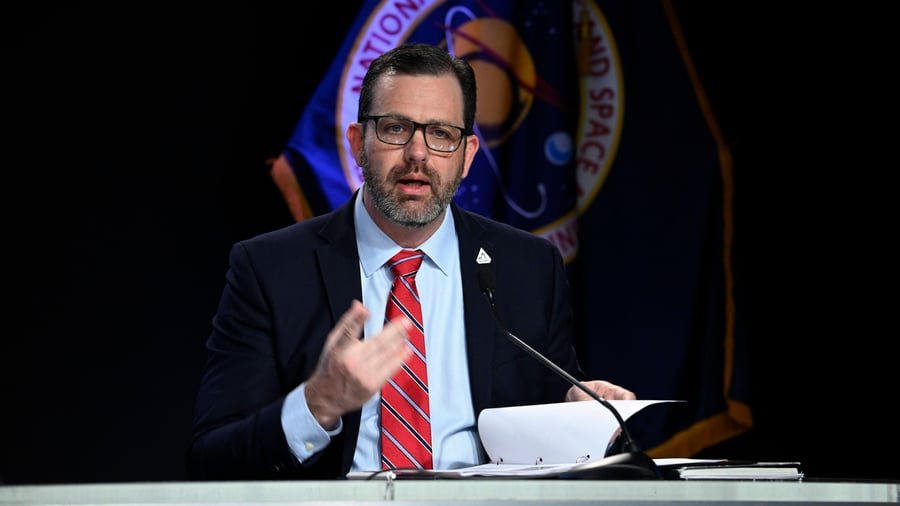
NASA has reaffirmed its plans for future lunar missions following the successful completion of the Artemis 2 mission. This mission, which took place in 2025, was a crucial step towards establishing a sustainable human presence on the Moon. The space agency plans to build a permanent base on the Moon in the coming years to facilitate scientific research and exploration. The Artemis 2 mission included a crewed flight around the Moon, during which astronauts collected vital data on the safety and functionality of the systems. This information is essential for planning the next missions, particularly Artemis 3, which aims for a landing on the lunar surface.
NASA has already begun preparations for Artemis 3, which is expected to take place in 2028. A central goal of NASA is to establish a lunar base that will serve as a launch point for further explorations of space. This base is intended not only to function as a research station but also as a testing ground for technologies needed for future missions to Mars. NASA has already developed initial concepts for the infrastructure of this base, which will include both living and working spaces for astronauts. However, the challenges in implementing these plans are significant.
Technical difficulties, budget constraints, and geopolitical factors could impact NASA's timeline. Despite these hurdles, the space agency remains optimistic and is relying on international collaborations to advance the lunar missions. Partnerships with other space agencies and private companies are expected to provide additional resources and expertise. Another important aspect of the lunar missions is the exploration of resources on the Moon. NASA plans to identify water and other materials necessary to support a human presence on the Moon.
These resources could be significant not only for the lunar base itself but also for future missions to Mars. The discovery of water in the form of ice at the Moon's poles has heightened interest in utilizing these resources. NASA has also announced that it intends to use the Artemis missions as a platform to promote STEM education (Science, Technology, Engineering, and Mathematics). Through educational programs and outreach initiatives, the agency aims to inspire young people about space exploration. NASA plans to involve schools and universities in the missions to foster interest in scientific careers.
International collaboration plays a crucial role in NASA's future lunar plans. The space agency has already established agreements with various countries to share technologies and resources. These collaborations are intended not only to reduce costs but also to promote knowledge exchange. Countries such as Canada, Japan, and the European Space Agency (ESA) are already partners in the Artemis missions. NASA is also engaged in developing new technologies required for the lunar missions.
These include advanced propulsion systems, life support systems, and robotic technologies. These innovations are critical to ensuring the safety and efficiency of the missions. NASA is investing in research and development to ensure that the technologies meet the demands of the challenging lunar environment. The next steps for NASA towards a permanent lunar presence are clearly outlined. The space agency plans to establish a functioning lunar base by 2030, which will serve as a springboard for Mars exploration.
Technological advancements and international collaboration will be crucial in achieving this ambitious goal. NASA is committed to providing the necessary resources to successfully implement the missions. "We are determined to take the next steps in exploring the Moon and beyond," said a NASA spokesperson. "The Artemis missions are key to our vision of a sustainable human presence in space."




💬 Comentarii (0)
Inca nu exista comentarii. Fii primul!