


NASA Space Probe Voyager 2 Impresses After 47 Years
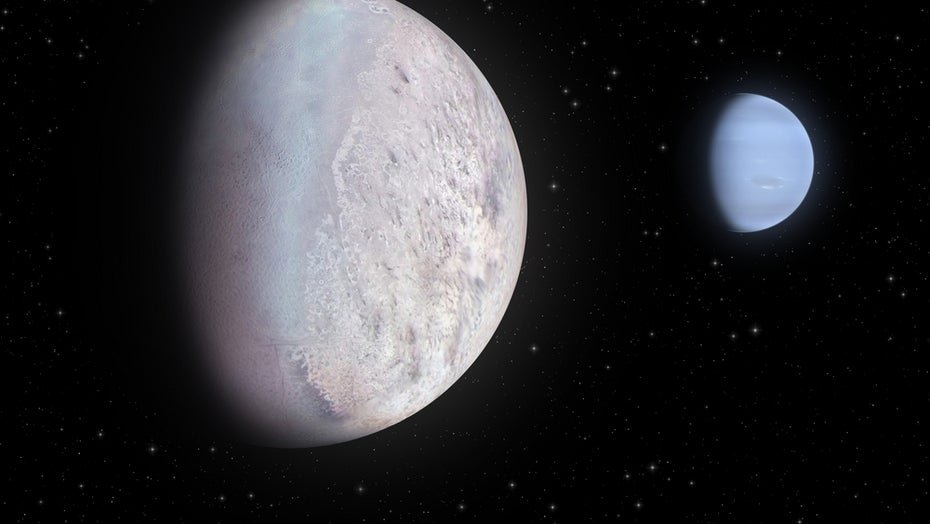
The NASA space probe Voyager 2 has collected remarkable data about the outer solar system since its launch in 1977. Even 47 years after its launch, the probe continues to send information back to Earth that astonishes scientists. Particularly, the images of Neptune's moon Triton, taken 37 years ago, have raised many questions and sparked new research approaches. Voyager 2 is the only space probe that has studied the planet Neptune and its moons up close. The spectacular images of Triton reveal a dynamic surface with large frozen nitrogen volcanoes, prompting scientists to explore the geological processes on the moon.
These discoveries have significantly expanded the understanding of Triton and its evolution. A key finding of the mission was the discovery of geysers on Triton that eject material into the atmosphere. This activity suggests that Triton may possess an underground ocean, which reconsiders the possibility of life beyond Earth in new dimensions. The data collected by Voyager 2 is invaluable to science and continues to be analyzed. The Voyager missions have not only expanded knowledge of the solar system but have also revolutionized space technology.
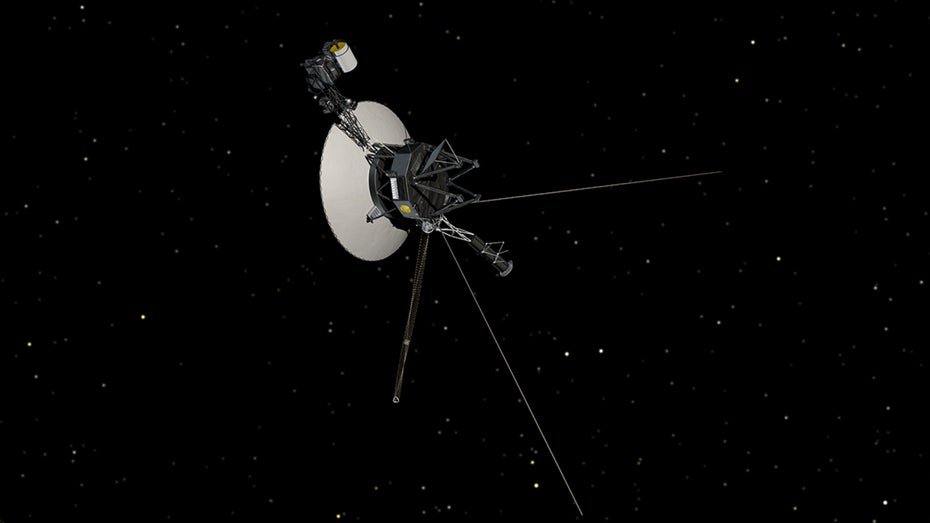
The space probes are equipped with a radioisotope thermoelectric generator, allowing them to generate energy for decades. This technology has proven crucial for long-term missions in space. Currently, Voyager 2 is over 18 billion kilometers from Earth and continues to send data about conditions in interstellar space. The probe has left the heliosphere, the region of solar wind, and is now in the interstellar medium, providing information about the interactions between the solar wind and interstellar plasma. NASA plans to receive data from Voyager 2 until at least 2025, as long as the probe's power supply allows.
Scientists are utilizing the information to better understand the physical properties of interstellar space. The mission has not only contributed to the exploration of the solar system but has also fostered public interest in astronomy and space travel. Voyager 2 has achieved numerous milestones throughout its mission. It was the first probe to deliver images of Neptune and its moons, laying the groundwork for future missions. Insights from this mission have also influenced the planning of new missions to other celestial bodies.
Researchers are particularly interested in the data the probe provides about magnetic fields and radiation in interstellar space. This information is crucial for understanding the galactic environment in which our solar system resides. Thus, the Voyager missions have not only expanded knowledge about our solar system but have also laid the foundations for the exploration of other stars and planets. Voyager 2 continues to be regarded as one of the most significant projects in the history of space exploration. Its discoveries have not only shaped science but have also sparked public interest in space exploration. The mission has demonstrated the importance of long-term research in space and the insights that can be gained from it. NASA has announced that the last data from Voyager 2 is expected to be received by 2025, before the probe's power supply is exhausted.





💬 Comentarii (0)
Inca nu exista comentarii. Fii primul!