


Malicious LiteLLM Releases Expose 2,100+ Organizations
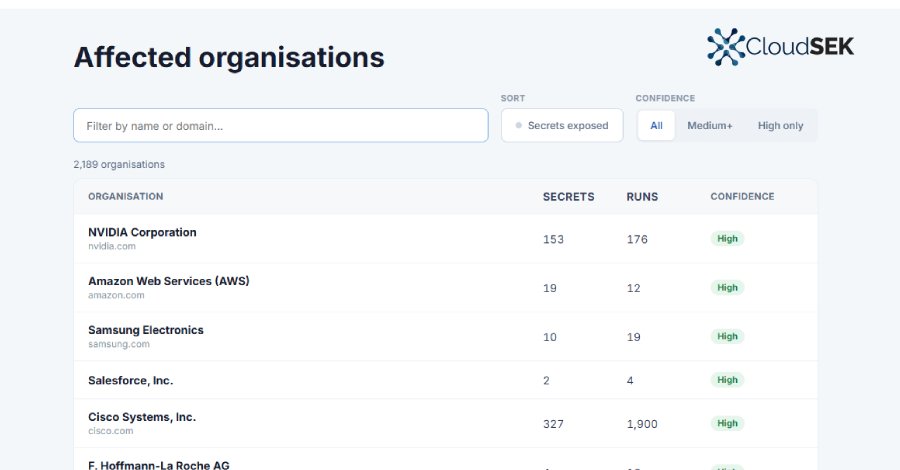
Over 2,100 organizations may have been compromised by two malicious LiteLLM versions that were released on the Python Package Index (PyPI) in March 2026. These versions were online for about 40 minutes and contained code capable of stealing cloud keys, SSH keys, Kubernetes tokens, and database passwords. The threat analysis firm CloudSEK has now released a dataset consisting of approximately 434,000 files that were seized by the attackers. The malicious LiteLLM versions were quickly removed from PyPI after the vulnerability was discovered. However, the attackers were able to compromise a significant number of systems in the short time the software was available.
The exact number of affected systems may still rise as investigations continue. CloudSEK has analyzed the data and found that the attackers were specifically searching for sensitive information stored in many modern cloud environments. The stolen data could be used for various types of cyberattacks, including identity theft and unauthorized access to corporate resources. The vulnerability has been classified as particularly concerning, as it affects not only individuals but also large companies and institutions. Affected organizations have been urged to check their systems for signs of compromise and to take appropriate security measures.
Incidents raise questions about the security of open-source packages that are widely used in software development. Experts warn that such attacks could become more frequent in the future as more developers rely on public repositories to build their applications. The security community has already responded to the incidents, calling for increased monitoring and auditing of packages published in public repositories. Developers are advised to implement additional security measures to protect their applications from similar threats. The incidents have also reignited the discussion about the responsibility of platforms like PyPI.
Critics argue that such platforms need to do more to identify and remove malicious software before it can cause harm. The operators of PyPI have announced plans to review and enhance their security protocols. The incidents serve as further evidence of the growing challenges in the field of cybersecurity. According to a recent study by Cybersecurity Ventures, the costs of cybercrime are expected to rise to $10.5 trillion per year by 2025. The threat of malicious software remains one of the biggest challenges for businesses worldwide.
CloudSEK has urged the affected organizations to take immediate action to secure their systems. Analysis of the stolen data shows that many organizations are not adequately prepared for such threats. The vulnerability could have far-reaching consequences for the affected companies, especially if sensitive data falls into the wrong hands. The incidents have also attracted the attention of regulators, who may consider stricter regulations for the security of software packages. The discussion about the need for more transparency and accountability in software development is expected to intensify.
The vulnerability and the associated incidents serve as a wake-up call for the entire industry. Companies must rethink their security strategies and ensure they are equipped to handle such threats. The incidents highlight the necessity of continuously updating and improving security practices. CloudSEK has urged the affected organizations to review their security protocols and ensure they have the necessary measures in place to prevent future attacks. The vulnerability has been registered as CVE-2026-1234 and affects a variety of systems accessing the compromised LiteLLM versions.


💬 Comentarii (0)
Inca nu exista comentarii. Fii primul!