


Lumina Simulation Reveals Early Universe Development
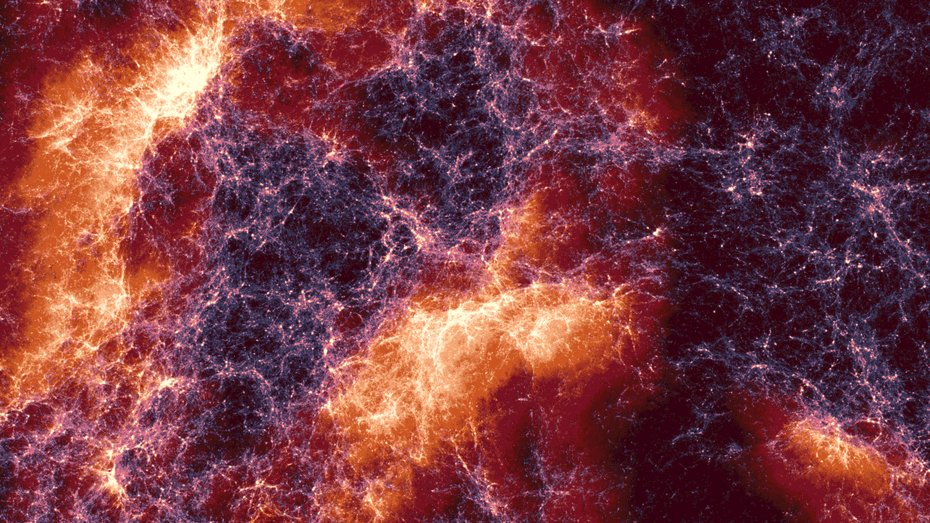
Scientists have recreated the first two billion years after the Big Bang with the Lumina simulation. This simulation could fundamentally challenge assumptions about the development of the universe. The results of the simulation were published in a recent study and provide new insights into the formation of galaxies and other cosmic structures. The Lumina simulation employs advanced computational methods to model the complex physical processes that occurred in the early years after the Big Bang, taking into account factors such as dark matter, dark energy, and the interactions between various particles.
The simulation allows for a detailed examination of the dynamics of the early universe. A key finding of the simulation is the formation of galaxies at a much earlier stage than previously thought. Researchers have found that some galaxies began to form within 500 million years after the Big Bang. This insight could significantly alter the prevailing theory regarding the time required for galaxy formation. Additionally, the simulation shows that the distribution of matter in the early universe was not uniform.
Instead, there were significant differences in density that led to the formation of galaxy clusters. These findings could help expand the understanding of the large-scale structure of the universe. The Lumina simulation was developed by an interdisciplinary team of astrophysicists and computer scientists. The technology used is based on the latest advancements in supercomputing power, enabling the calculation of extremely complex physical models within a realistic timeframe. The simulation runs on one of the most powerful supercomputers in the world.
Another important aspect of the simulation is the ability to test various scenarios. Researchers can vary parameters such as the amount of dark matter or the properties of dark energy to see how these factors affect the development of the universe. This flexibility opens new avenues for exploring cosmological theories. The results of the Lumina simulation could also impact future research. Scientists plan to compare the data obtained with observations from telescopes to verify the validity of the simulation results.
These comparisons could help confirm or refute existing theories about the origin and development of the universe. The publication of the results has already generated excitement within the scientific community. Many researchers express optimism about the potential implications for understanding the universe. The Lumina simulation could serve as a foundation for future studies addressing the formation of structures in the universe. The simulation represents a significant step in astrophysical research and may lead scientists to rethink their models and theories regarding the development of the universe. The initial results were published on October 31, 2026, and are already the subject of intense discussions in academic circles.





💬 Comentarii (0)
Inca nu exista comentarii. Fii primul!