


Latency Optimization: A Comparison of AMD, Intel, and Nvidia
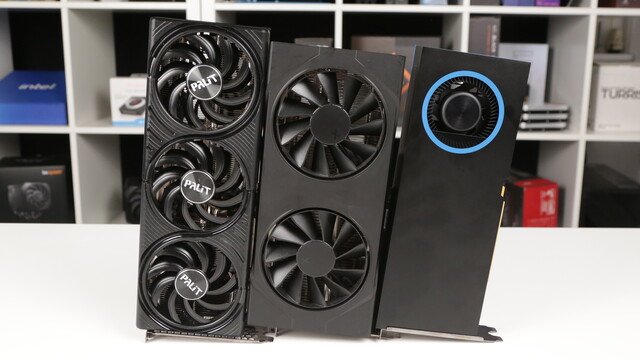
AMD, Intel, and Nvidia have each developed their own technologies to reduce latency in computer games. These technologies, known as Reflex, Anti-Lag 2, and XeLL, aim to minimize the time between input commands and display on the monitor. ComputerBase tested these technologies across several games and measured the latency of the entire PC chain. Nvidia's Reflex technology was specifically designed for use with GeForce graphics cards. It optimizes latency by analyzing render time and input delay in real-time.
Reflex can be activated in games like Call of Duty: Warzone and Valorant to improve response times. In ComputerBase's tests, Reflex was shown to reduce latency by up to 20%. In contrast, AMD's Anti-Lag 2 offers similar functionality but takes a different approach. This technology is integrated into Radeon graphics cards and aims to reduce input delay by adjusting render priority. Tests found that Anti-Lag 2 can lower latency by up to 15% in games like Fortnite and CS:GO.
The third technology, Intel's XeLL, is part of the Xe graphics architecture. XeLL optimizes latency through a combination of hardware and software adjustments. This technology is particularly effective in games like Battlefield V and Cyberpunk 2077. According to ComputerBase's results, XeLL can reduce latency by up to 18%. The tests included a variety of games to assess the effectiveness of each technology.
The entire PC chain was considered, from input through processing to output. The results show that each technology has its strengths, depending on the specific gaming environment and the hardware used. Another important aspect is the compatibility of the technologies with different graphics cards and games. Nvidia Reflex is exclusively available for GeForce graphics cards, while AMD Anti-Lag 2 works on Radeon cards. Intel's XeLL, on the other hand, is optimized for the Xe graphics architecture and can be used in conjunction with Intel processors.
Latency optimization not only impacts gaming performance but also the overall gaming experience. Lower latency can be crucial, especially in competitive games where every millisecond counts. Players who rely on quick reactions benefit significantly from these technologies. The results of ComputerBase's tests highlight that the choice of the right technology depends on the individual needs of the players. While some players may prefer the advantages of Nvidia Reflex, others might find AMD or Intel's adjustments more beneficial.
The decision often depends on the hardware used and the preferred games. Latency reduction technologies are an important step in the evolution of gaming hardware. Manufacturers are continuously investing in improving these technologies to provide players with a better experience. Nvidia, AMD, and Intel have already announced plans for further optimizations and updates for their latency enhancers in the future. ComputerBase's tests were published in August 2026 and showcase the current developments in gaming technology. The results are of great interest to players, as they can influence the choice of hardware and software.








💬 Comentarii (0)
Inca nu exista comentarii. Fii primul!