


AI Prediction Game for the 2026 World Cup: Who Predicted the Group Stage Best?
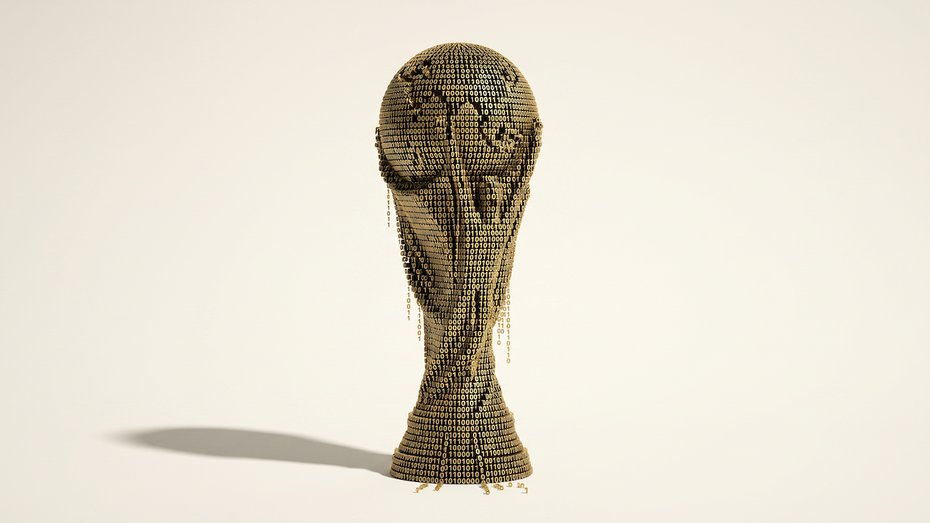
ChatGPT, Claude, and Gemini predicted the group stage of the 2026 FIFA World Cup. The three AI models were tasked with forecasting the match results to determine which model provided the best predictions. The group stage took place from June 20 to July 14, 2026, in the USA, Canada, and Mexico.
The predictions of the AIs were evaluated based on the actual match results. The number of correct predictions and the accuracy of the forecasts were recorded. ChatGPT, developed by OpenAI, has previously proven to be powerful in natural language processing. Claude, an AI model from Anthropic, also participated in the prediction game. It was specifically trained to generate human-like responses and handle complex tasks.
Gemini, the AI model from Google DeepMind, has distinguished itself in recent years through its ability to analyze large datasets. The results of the predictions were published at the end of the group stage. ChatGPT correctly predicted 12 out of 16 matches, while Claude predicted 10 out of 16 and Gemini 9 out of 16 correctly. These figures indicate that ChatGPT had the highest success rate among the three AIs. The analysis of the predictions revealed that ChatGPT not only forecasted the most correct outcomes but also provided the most accurate scores.
This could be attributed to the extensive dataset on which the model was trained. In contrast, Claude and Gemini struggled to predict some of the surprise outcomes that occurred during the tournament. The AIs' predictions were not only used for entertainment but were also considered by some sports analysts as an interesting complement to traditional betting methods. The use of AI in sports analysis is gaining increasing importance, as it is capable of recognizing patterns and processing data in real-time. The results of the prediction game could also have implications for future developments in the field of sports AI.
Researchers and developers could utilize the data to further improve algorithms and increase prediction accuracy. Thus, the 2026 World Cup holds not only sporting but also technological relevance. The next major challenge for the AIs will be predicting the knockout stage, which begins on July 15, 2026. The AIs will be tested again to see if they can confirm their performance from the group stage.
The results of these predictions could be of great interest to betting companies and sports analysts. The use of AI in sports reporting and analysis is expected to continue to grow. Experts believe that the integration of AI technologies into the sports industry will create new opportunities for analyzing and predicting match outcomes. The 2026 World Cup could be seen as a turning point in the application of AI in sports.
Predictions from the AIs were monitored by a team of data analysts to ensure that the results were objective and verifiable. The analysis of the predictions will continue in the future to track the development of the AIs and evaluate their performance. The results of the prediction game will be published on June 30, 2026.




💬 Comentarii (0)
Inca nu exista comentarii. Fii primul!