


James Webb Telescope Decodes Exoplanet Atmospheres
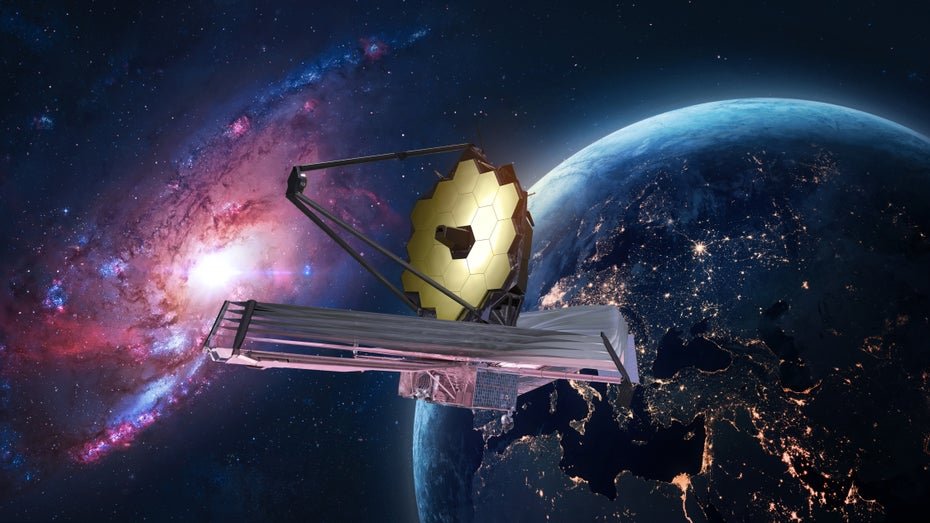
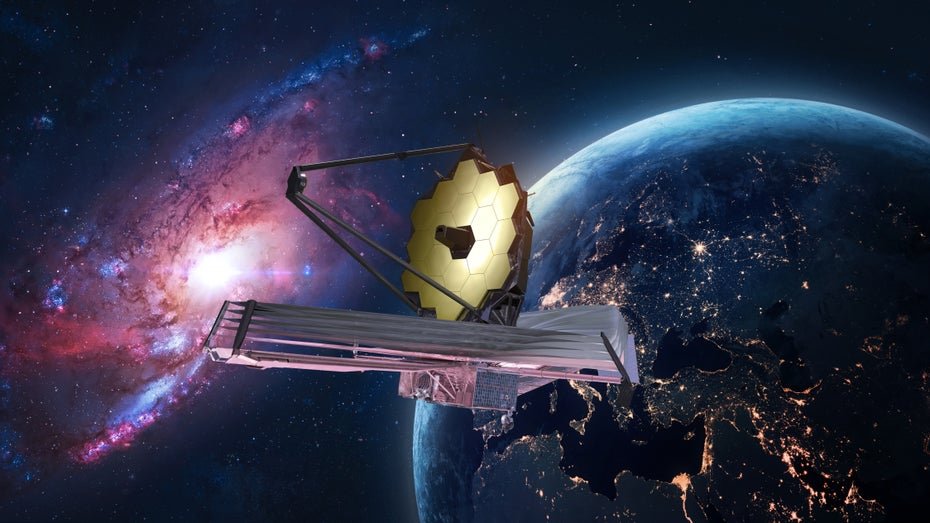
Scientists are utilizing the James Webb Space Telescope to analyze the atmospheres of exoplanets. This technology enables the decoding of the chemical compositions and physical properties of planets outside our solar system. The data obtained could help improve the understanding of weather systems on these distant worlds. The telescope, operational since its launch in 2021, has already made several significant discoveries. Researchers have found that analyzing light filtered through the atmospheres of exoplanets provides valuable information about their chemical constituents.
This method could form the basis for future interstellar weather predictions. One example of the telescope's successes is the study of the exoplanet WASP-39 b. The analysis revealed the presence of water vapor, carbon monoxide, and carbon dioxide in its atmosphere. This discovery supports the hypothesis that conditions on this planet could potentially be habitable. The James Webb Telescope's ability to measure temperature distribution in the atmospheres of exoplanets opens new perspectives for climate research in interstellar space.
Scientists can now investigate temperature differences and weather phenomena on these planets, leading to a better understanding of atmospheric dynamics. Another significant advancement is the capability to analyze the atmospheric conditions of Earth-like planets. Researchers are focusing on planets in the habitable zone, where liquid water could exist. The data from the James Webb Telescope could be crucial in determining whether these planets are indeed hospitable to life. The results of previous analyses have already led to a multitude of scientific publications.
These studies illuminate not only the chemical properties of the atmospheres but also the physical processes that influence the weather on these planets. The insights gained could have long-term implications for the search for extraterrestrial life. The research is supported by international collaborations, with scientists from various countries working together to analyze the telescope's data. This collaboration fosters the exchange of ideas and techniques that are significant for exoplanet exploration. The next steps in the research include targeted observations of additional exoplanets to investigate their atmospheres in greater detail.
Scientists plan to combine the data from the James Webb Telescope with other observatories to create more comprehensive models of atmospheric conditions. Advances in exoplanet research could also drive the development of new technologies for detecting signs of life on distant planets. The combination of data from various sources is seen as key to better assessing the likelihood of life beyond Earth. The next observations from the James Webb Telescope are scheduled for the coming months, with scientists particularly focused on analyzing TRAPPIST-1 d and Kepler-186 f. These planets are considered promising candidates in the search for signs of life.


💬 Comentarii (0)
Inca nu exista comentarii. Fii primul!