


Intel Struggles with High Memory Prices
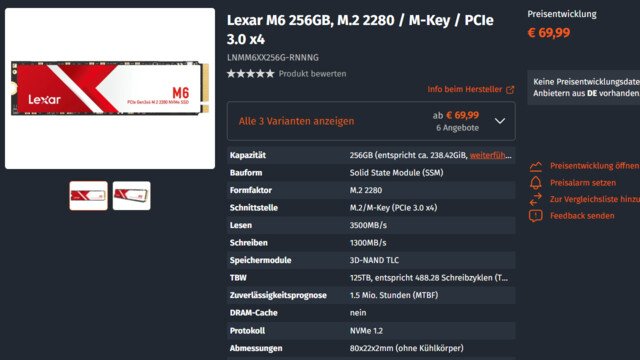
The chip giant Intel is facing a dramatic decline in its stock prices as high prices for memory chips are affecting the demand for computers. Despite expectations to benefit from the ongoing AI boom, the company is struggling to maintain its position in the market. Analysts attribute the current situation to the rising costs of DRAM and NAND memory chips, which have significantly increased in recent months. Prices for DRAM memory rose by 30% in the third quarter of 2026, while NAND memory became 25% more expensive. These price increases have led many consumers and businesses to hold back on investments in new computers.
Intel, which heavily relies on PC demand, is feeling the direct impact of this market development. PC sales have dropped by 15% in the third quarter of 2026 compared to the previous year. This trend has affected not only Intel but also other companies in the industry that depend on the production and sale of computer hardware. Uncertainty about future price developments in the memory sector is contributing to buyer hesitation. In recent years, Intel has attempted to revitalize itself through investments in new technologies and products.
The introduction of new processors and expansion into AI-driven applications were expected to get the company back on track. However, the current market conditions are calling these efforts into question and casting a shadow over future growth forecasts. Gartner analysts predict that PC sales could continue to decline in 2027 if memory prices are not stabilized. Uncertainty regarding the economic situation and inflation has also led consumers and businesses to rethink their spending on technology products. Intel now needs to strategically reposition itself to remain competitive in a changing market environment.
The company's response to the current crisis will be crucial. Intel has already announced that it will adjust its production capacities and may invest in new technologies to enhance efficiency. The question remains whether these measures will be sufficient to stimulate demand and regain market share. The situation is exacerbated by increasing competition in the semiconductor industry. Companies like AMD and NVIDIA have gained market share in recent years and are offering increasingly powerful alternatives to Intel's products.
This competition forces Intel to remain innovative while also controlling costs to stay competitive. The uncertainty regarding future memory price developments remains a central issue for Intel. Analysts warn that without price stabilization, the company's recovery could be jeopardized. The upcoming quarterly results will be critical to see how Intel responds to the challenges and whether the company can defend its market position. In recent years, Intel has launched several initiatives to expand its production capacities and reduce dependence on external suppliers.
These steps could help lower costs and improve supply chain control in the long term. Nevertheless, the short-term market development, given the high memory prices and declining PC demand, remains a significant challenge. Current developments indicate that the market for semiconductors and computer hardware continues to be volatile. Intel must adapt to succeed in a rapidly changing environment. The coming months will be crucial to observe how the situation evolves and what measures Intel will take to strengthen its position. Memory prices have proven to be extremely volatile in recent years, complicating planning and forecasting for companies like Intel. According to market research firm TrendForce, DRAM prices are expected to remain stable in the fourth quarter of 2026, which could provide some relief for the industry.





💬 Comentarii (0)
Inca nu exista comentarii. Fii primul!