


Harvard Study: Data Centers Consume Power Like States
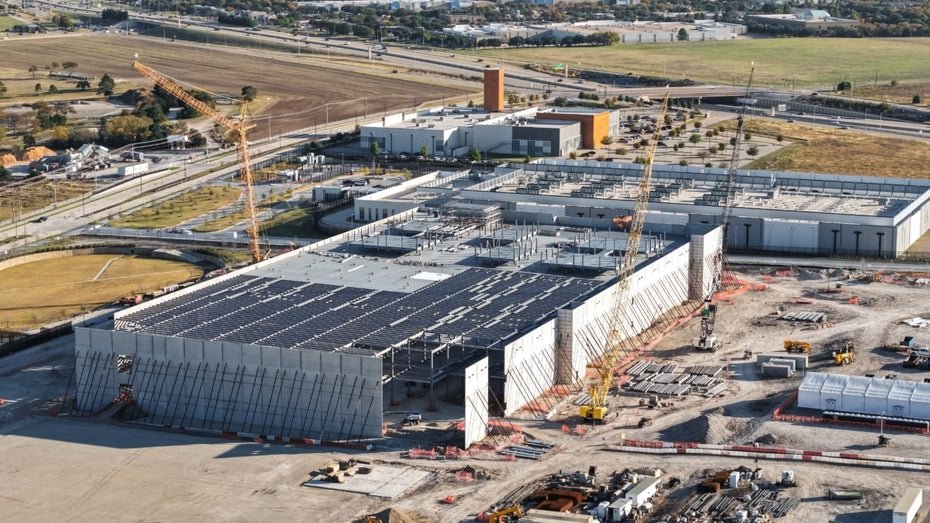
A recent study by Harvard University has found that 400 data centers in the U.S. have an electricity consumption equivalent to that of an entire state. This finding comes at a time when the expansion of data centers is rapidly advancing due to the boom in Artificial Intelligence (AI). Critics warn about the ecological consequences of this development, particularly concerning the high energy and water consumption. The study analyzed the energy consumption of data centers in the U.S. and found that these facilities are projected to consume over 100 terawatt-hours of electricity by 2025. This is equivalent to the annual consumption of about 10 million households.
The increasing demand for computing power, especially for AI applications, significantly contributes to this rise. Another aspect of the study is the water consumption, which is also reaching alarming levels. Data centers require large amounts of water to cool their systems. Estimates suggest that the data centers examined consume over 1.5 billion gallons of water annually, which corresponds to the water needs of a city with over 100,000 residents. The Harvard study also investigated the geographical distribution of data centers.
A large portion of the facilities is located in states that already face challenges in energy supply. California and Texas are among the most affected states, where the energy demand from data centers further strains existing grids. The study's findings have already sparked an intense debate about the sustainability of data centers. Environmental activists are calling on the industry to take measures to reduce energy consumption and to utilize renewable energy sources. Some companies have already initiated efforts to reduce their ecological footprint; however, progress in the industry remains inconsistent.
The study emphasizes that the trend towards digitalization and the use of AI technologies cannot occur without consequences. The authors of the study warn that without appropriate measures for regulation and efficiency improvement, energy consumption will continue to rise. By 2030, the electricity consumption of data centers in the U.S. could exceed 200 terawatt-hours if no countermeasures are taken. Some companies are already adopting innovative technologies to reduce energy consumption, including the use of artificial intelligence to optimize energy use and the implementation of heat recovery systems.
These technologies could significantly help reduce the ecological footprint of data centers. The Harvard study also highlighted the role of politics in this context. Legislators are urged to create clear guidelines and incentives to promote the transition to more sustainable practices in the data center industry. Regulations could help increase pressure on companies to implement environmentally friendly technologies. The discussion around the energy consumption of data centers is expected to intensify, especially in light of upcoming climate conferences and global efforts to reduce greenhouse gas emissions.
The Harvard study could serve as a catalyst for further research and policy measures to address the challenges associated with the growth of digital infrastructure. The study was published on November 17, 2026, and has already garnered attention in professional circles. Experts are calling for an immediate response from the industry and governments to minimize the negative impacts of the ongoing growth of data centers.





💬 Comentarii (0)
Inca nu exista comentarii. Fii primul!