


Semiconductor Shortage: Manufacturers Ration Chips
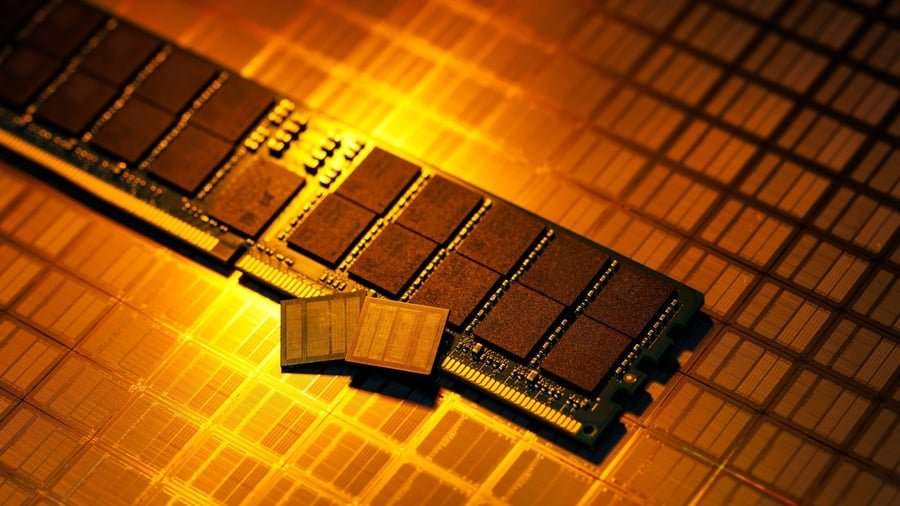
The semiconductor industry is facing a new challenge: delivery times for chips have extended to more than 52 weeks. This is a direct consequence of the ongoing boom in artificial intelligence (AI), which is driving up demand for semiconductors. Manufacturers are forced to turn away new customers in order to fulfill existing contracts. Some of the largest chip manufacturers have already taken measures to ration production. This decision particularly affects companies that rely on semiconductors for AI applications.
Rising prices for chips have put many companies in the German economy under pressure, especially in the automotive and machinery sectors. The automotive industry, which is increasingly focusing on digital technologies and autonomous driving, is particularly affected. Manufacturers report production delays and shortages caused by the chip scarcity. According to a survey by the German Association of the Automotive Industry (VDA), over 70% of companies are struggling to meet their production targets. The situation is further exacerbated by geopolitical tensions and trade conflicts.
In particular, the dependence on Asian manufacturers has highlighted the vulnerability of the European industry. Experts warn that the chip shortage could persist until 2027 if significant investments in local production are not made. To mitigate the effects of the chip shortage, some companies have begun seeking alternative suppliers. However, this strategy could increase production costs in the long term. Analysts estimate that semiconductor prices could rise by up to 30% in the coming months, further pressuring manufacturers' margins.
The federal government has already announced measures to promote domestic chip production. An investment program of 1 billion euros is intended to help reduce dependence on foreign suppliers. However, experts demand that these measures be implemented quickly to secure the competitiveness of the German industry. The effects of the chip shortage are not limited to the industry. Consumers can also expect rising prices for electronic products.
Retailers report increased demand for products that require semiconductors, leading to shortages and price increases. According to a recent survey, 65% of consumers indicated that they have already noticed higher prices for electronic items. The situation could also impact the industry's innovative capacity. Companies relying on new technologies may struggle to bring their products to market on time. This could result in Europe falling behind in global competition, particularly in the fields of AI and automation.
The chip shortage also affects research and development. Universities and research institutes report delays in projects that depend on semiconductors. This could impair the innovative capability of the entire industry in the long term. According to a study by the Fraunhofer Society, research could decline by up to 20% in the coming years if the chip supply is not stabilized.
The semiconductor crisis is a complex problem with many facets. Manufacturers, consumers, and the government must work together to find solutions. The coming months will be crucial in managing the effects of the chip shortage and stabilizing supply chains. Chip delivery times have extended to over 52 weeks, putting pressure on the entire industry.


💬 Comentarii (0)
Inca nu exista comentarii. Fii primul!