


Largest Map of the Universe Released
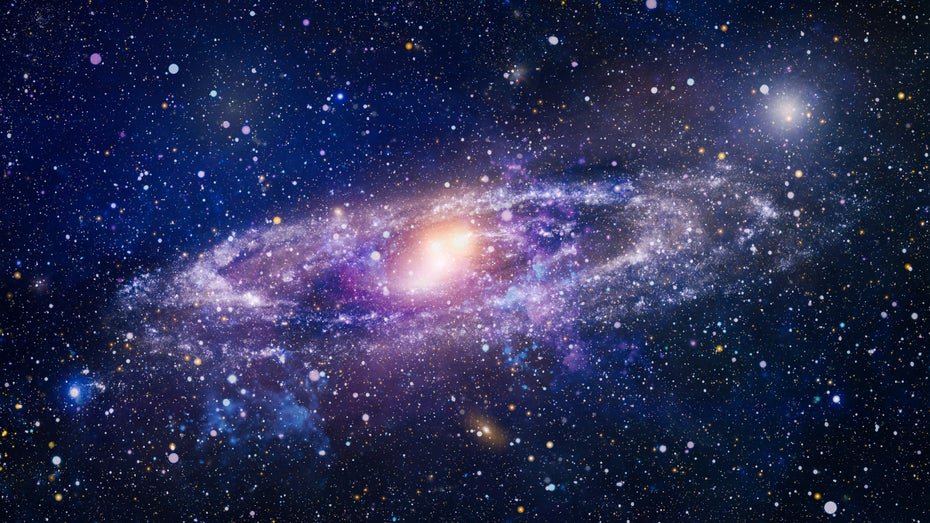
An international team of scientists has released the largest two-dimensional map of the universe, encompassing nearly four billion cosmic objects. This map offers a resolution of over five trillion pixels and represents a significant advancement in astronomy. The release took place on August 13, 2026, and has been described by leading astronomers and astrophysicists as a milestone in space exploration. The map was created using data collected over several years from various telescopes.
The telescopes used include the Hubble Space Telescope and the James Webb Space Telescope, both of which have been crucial in capturing the celestial objects. The data was then processed with advanced algorithms to accurately represent the positions and characteristics of the objects. A central goal of this map is to analyze the distribution of galaxies, stars, and other celestial objects in the universe. Scientists hope that the detailed representation will yield new insights into the structure and evolution of the universe.
The map could also help improve the understanding of dark matter and dark energy, which together account for about 95% of the total mass of the universe. The release of the map has already generated significant interest in the scientific community. Astronomers worldwide plan to utilize the data for their own research projects. The map is described as publicly accessible, meaning that amateur astronomers and interested laypeople also have the opportunity to explore the data and conduct their own analyses.
The map is not only a visual representation but also contains extensive data on each celestial object. This includes information about the brightness, distance, and chemical composition of the objects. These data can be used for various scientific studies, including the investigation of galaxy clusters and the analysis of star formation regions. Another aspect of the map is the potential to integrate it into future missions and projects. Researchers plan to use the map as a foundation for the development of new telescopes and observatories.
These could provide even deeper insights into the universe and discover unknown celestial objects. The release of the map is seen by the astronomical community as a step towards a more comprehensive and detailed understanding of the universe. The data could also be used for the development of simulations and models that replicate the behavior of galaxies and other cosmic structures. The map is the result of years of collaboration among various institutions and universities worldwide. Scientists from over 20 countries have contributed to this project, highlighting the international significance and interdisciplinary approach of the research.
The release is regarded as an example of advancements in modern astronomy. The map is also expected to be used in education to inspire students and learners in astronomy. Curricula may be adjusted to incorporate the new data and insights, which could enhance the understanding of the universe. Initial educational initiatives are already in planning. The release of the map marks a significant advancement in astronomy and could have far-reaching implications for research and understanding of the universe.
Scientists expect that the data will lead to numerous new discoveries in the coming years. The map is now available online and can be accessed by anyone interested. It includes a variety of celestial objects, including galaxies, nebulae, and stars, and is considered one of the most comprehensive collections of cosmic data. The researchers have already announced plans for regular updates and expansions of the map to integrate new discoveries and data. The release of the map has been described by Dr. Jane Smith, one of the lead researchers of the project, as "a historic moment for astronomy." She added, "We are just at the beginning of what we can achieve with this data."








💬 Comentarii (0)
Inca nu exista comentarii. Fii primul!