


Google Plans Space Data Centers with Starship Flights
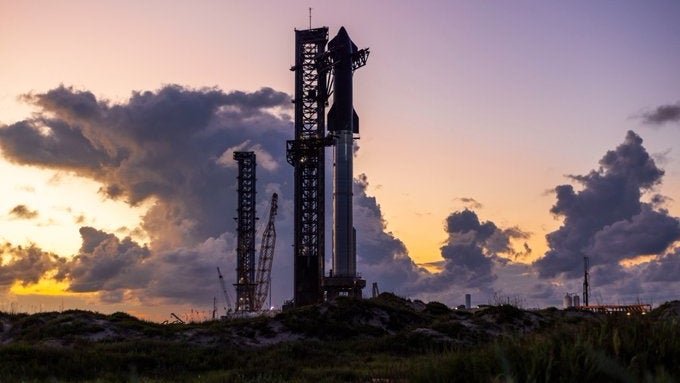
Google has announced its intention to relocate its AI data centers to space to enable near-continuous utilization of solar energy. This initiative, known as Project Suncatcher, aims to significantly enhance energy efficiency and computing power. A prototype AI chip is already in testing and is orbiting the Earth to verify the feasibility of this technology. To realize the vision of space data centers, Google plans to conduct 1,800 Starship flights. These flights are necessary to transport the required infrastructure and hardware into orbit.
SpaceX, the manufacturer of the Starship rockets, has already conducted several successful test flights, laying the groundwork for this ambitious initiative. The challenge lies not only in the logistics of the flights but also in developing the technology required to operate data centers in space. This includes ensuring a stable energy supply through solar power and developing cooling systems that can operate efficiently in space. These technical hurdles must be overcome to ensure the project's economic viability. Another aspect of the project is the reduction of latency for AI applications.
By placing data centers in space, Google could perform data processing closer to satellites and other spacecraft, leading to faster response times. This could be particularly significant for applications in satellite communications and Earth observation. The idea of operating data centers in space is not new; however, Google has developed a concrete plan with Project Suncatcher to turn this vision into reality. The combination of advanced AI technology and the use of renewable energy sources could represent a significant advancement in the IT industry. Experts estimate that the first functional data centers in space could be operational within the next 10 years.
The economic aspects of the project are also of great importance. Google will need to make substantial investments in developing the necessary technologies and infrastructures. Analysts predict that the costs for the initial flights and the establishment of the data centers will run into the billions. Nevertheless, the long-term savings from utilizing solar energy and reducing operational costs could justify the investments. The development of Project Suncatcher could also have implications for the entire space industry.
If Google is successful, other companies may follow suit and initiate similar projects. This could lead to a new race in space, where companies compete for the best technologies and solutions to operate data centers in space. The first tests with the AI chip currently orbiting the Earth are expected to provide crucial data for the further development of the project. These tests will reveal how well the technology performs under the extreme conditions of space. The results of these tests could be published as early as 2027.
Google aims to advance the use of renewable energy in the technology sector. Project Suncatcher could serve as a model for future projects aimed at reducing dependence on fossil fuels. The combination of AI and sustainable energy could set new standards for the industry. Google's vision of operating AI data centers in space could not only change the way data is processed but also revolutionize the entire IT landscape. The next steps in this project are eagerly anticipated, particularly the results of ongoing tests and progress on the planned Starship flights. The first flights with SpaceX Starship are scheduled for 2028 to transport the necessary hardware into orbit.








💬 Comentarii (0)
Inca nu exista comentarii. Fii primul!