


German Sensors for Japan's Mars Mission
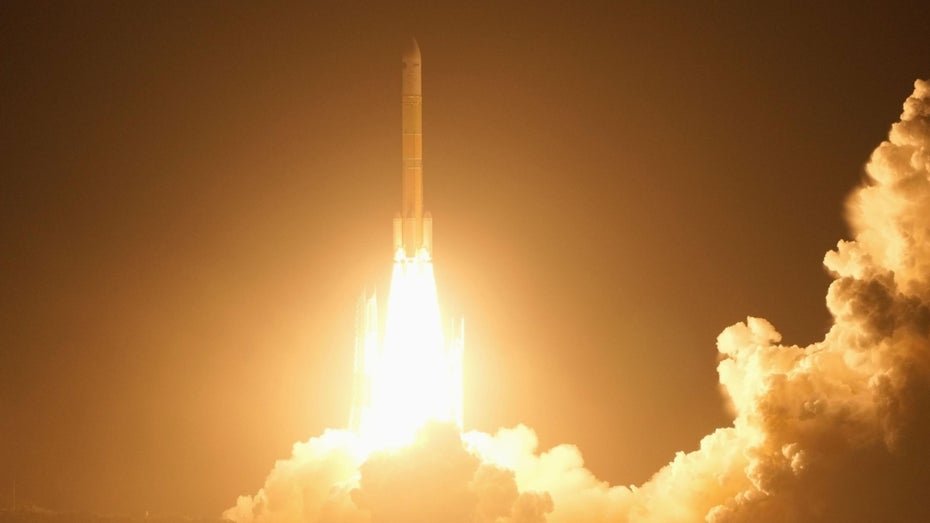
The Japanese space agency JAXA is relying on German technology to ensure the success of its Mars mission. A company from Jena, Thuringia, is supplying crucial sensors needed for precise navigation and data analysis during the mission. These sensors have been specifically designed for the extreme conditions of space and are expected to significantly enhance the mission's efficiency. The Mars mission, known as the Martian Exploration Mission (MEM), aims to explore the surface of Mars and collect samples. The sensors from Jena will play a central role by measuring important environmental data such as temperature, pressure, and radiation.
This information is critical for the planning and execution of the mission. The sensors are equipped with state-of-the-art technology that ensures high accuracy and reliability. They are capable of transmitting data in real-time, which is of great importance for mission control. Engineers in Jena have worked for several years on the development of these sensors to ensure they can withstand the extreme conditions of space. Another aspect of the collaboration between JAXA and the company from Jena is the training of professionals.
Engineers and technicians from Japan will be trained in Thuringia to optimally utilize the sensors. These training measures are part of a comprehensive program aimed at promoting expertise in aerospace technology in both countries. The Mars mission is not only a technological endeavor but also a significant international project. It is expected that the collected data will provide new insights into Mars and possibly clues about past life on the planet. The sensors from Jena will play a key role by conducting precise measurements and transmitting the collected data to mission control.
The development of the sensors is part of a larger trend in aerospace technology, where international cooperation is becoming increasingly important. In recent years, JAXA has strengthened partnerships with companies and research institutions in Europe and North America. These collaborations facilitate the exchange of knowledge and technologies necessary for conducting complex space missions. JAXA's Mars mission is planned for 2028, with preparations already in full swing. The sensors from Jena are expected to be fully tested and integrated into the spacecraft by the end of 2027.
Engineers are working closely with Japanese scientists to ensure that all systems function optimally. The significance of this mission for science is enormous. The collected data could not only deepen the understanding of Mars but also provide important information about the formation and development of planets in general. The sensors from Thuringia are a crucial component of these research efforts and could help yield new scientific insights. The collaboration between JAXA and the company from Jena is an example of the successful integration of technology and science on an international level.
The engineers in Thuringia take pride in contributing to one of the most ambitious space missions in recent years. The sensors will not only support the Mars mission but also lay the groundwork for future projects in aerospace technology. The sensors are designed to operate reliably even in extreme environments. They must withstand temperatures of up to -120 degrees Celsius while conducting precise measurements. These technical challenges have been overcome through innovative materials and designs that are becoming increasingly important in aerospace technology. JAXA's Mars mission is eagerly anticipated by many scientists and space enthusiasts worldwide. The first results of the mission could be published as early as 2029, further heightening the excitement for new insights about the red planet.





💬 Comentarii (0)
Inca nu exista comentarii. Fii primul!