


Federal Government Presents Bill Against Digital Violence
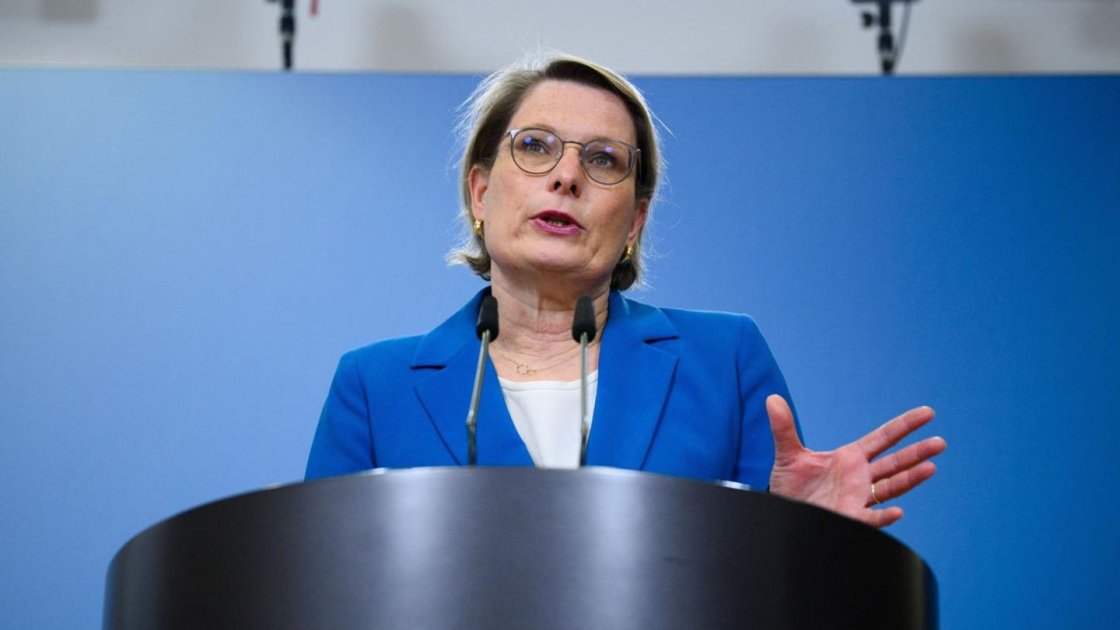
Federal Justice Minister Stefanie Hubig (SPD) presented a new bill in Berlin on Friday, aimed at closing gaps in German criminal law and providing greater protection for victims of digital violence. The draft focuses particularly on combating pornographic deepfakes created without the consent of those affected. This form of digital violence is increasingly seen as problematic and could be punishable by up to two years in prison. Hubig emphasized that digital violence is a mass phenomenon affecting millions of people in Germany, with women often being the primary victims, as over 60% of cases involve women.
The minister pointed out that the severity of digital violence can be comparable to physical violence and has significant psychological consequences for the victims. The bill introduces several new criminal offenses into the Penal Code, including the production and distribution of sexualized deepfakes, as well as the dissemination of non-sexual deepfakes that violate the personal rights of others. Additionally, the covert surveillance of individuals using information technology, such as GPS trackers, will be addressed by a new legal provision. A central goal of the law is to facilitate victims' access to legal remedies against digital violence.
In the future, victims will be able to more easily obtain information about the identity of the perpetrators of digital assaults through legal proceedings. This is intended to enable victims to more effectively enforce cease-and-desist and compensation claims. Courts will also be able to require platform operators to store relevant data earlier than before. This is crucial to prevent the loss of evidence necessary for prosecuting crimes. The minister highlighted that the storage of this data is of great importance for the investigation of offenses.
Another aspect of the bill concerns the possibility for judges to order the blocking of user accounts, particularly in cases of serious legal violations, to protect the rights of those affected. Hubig stated that the legal framework for combating digital violence urgently needs to be adapted to meet the new challenges of digitalization. The issue of digital violence has gained public attention in recent months, especially in connection with actress Collien Fernandes' allegations against her ex-husband. These incidents have brought the discussion about protecting victims of digital violence into focus and highlighted the need for a legal framework that adequately addresses the needs of victims of digital assaults.
The bill will now be debated in the Bundestag. Hubig expressed hope that the law can be passed promptly to provide legal protection to victims of digital violence as soon as possible. The draft is part of a broader strategy by the federal government to combat violence in the digital space. The government plans to introduce the bill to the Bundestag in 2026 to improve the legal framework for protection against digital violence.








💬 Comentarii (0)
Inca nu exista comentarii. Fii primul!