


European Chip Manufacturers Benefit from AI Demand
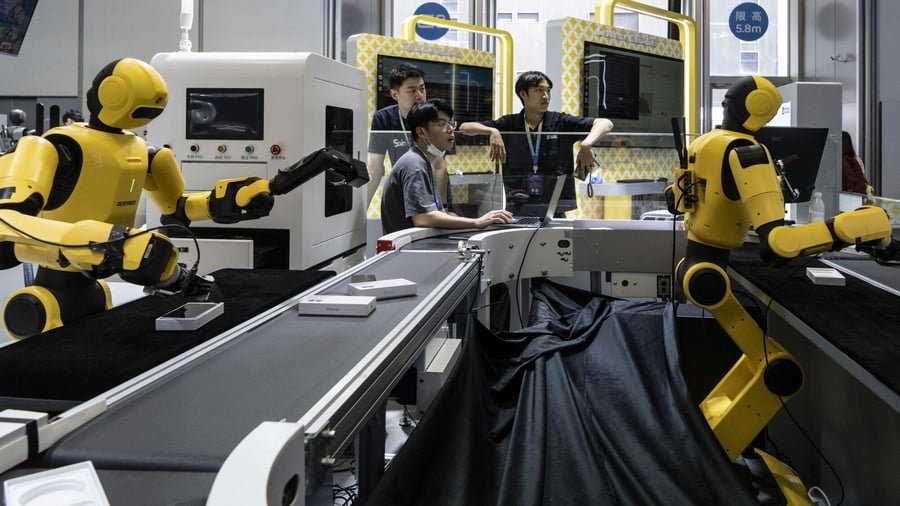
The demand for Artificial Intelligence (AI) in end devices has reached a new peak in Europe. The Chief Technology Officer of NXP, a leading chip manufacturer, expressed optimism about future developments. He referred to a "gigantic" increase in demand driven by the growing integration of AI into everyday technologies such as drones, robots, and autonomous vehicles. The European semiconductor industry finds itself in a favorable position to benefit from this trend. While companies like Nvidia currently dominate the market, European manufacturers could catch up through innovative solutions and adaptations to consumer needs.
NXP plans to adjust its product lines to meet market demands. A key factor for the growth of AI applications is the increasing prevalence of edge computing. This technology allows data to be processed directly at the source, reducing latency and increasing efficiency. NXP has already developed several products specifically optimized for edge computing applications. The European Commission has also taken measures to support the semiconductor industry.
As part of the European Chips Act, up to 43 billion euros will be invested in the development and production of semiconductors. This could significantly enhance the competitiveness of European companies in the global market. Analysts predict that the market for AI chips could exceed 100 billion US dollars by 2028. This estimate is based on the assumption that AI applications will continue to increase across various sectors, including healthcare, automotive, and manufacturing. The demand for specialized chips suitable for these applications will rise accordingly.
Another aspect strengthening the European semiconductor industry is the increasing collaboration between companies and research institutions. NXP has formed partnerships with several universities and research institutes to advance the development of new technologies. These collaborations aim to ensure that the latest scientific findings are incorporated into product development. However, the challenges associated with semiconductor manufacturing remain. Supply chain bottlenecks and rising raw material prices could impact the production capacities of companies.
NXP has already taken steps to minimize the impact of these challenges by considering alternative suppliers and materials. The European semiconductor industry stands at a turning point. The combination of rising demand for AI applications and political initiatives to support the industry could lead to significant market share expansion for European manufacturers. NXP plans to increase its production capacity by 30% by the end of 2026 to meet growing demand. The development of AI technologies is also being driven by the increasing prevalence of 5G.
This technology enables faster data transmissions and improved connectivity, which are crucial for AI applications. NXP has already developed chips optimized for use in 5G networks to support the integration of AI into mobile devices. The coming years could be decisive for the European semiconductor industry. With the right strategy and investments in research and development, Europe could take a leading role in the global AI chip market. NXP expects demand for its AI-optimized products to increase by 25% in the coming year.







💬 Comentarii (0)
Inca nu exista comentarii. Fii primul!