


EU Customs Reform: New Regulations for Online Purchases Starting July 2026
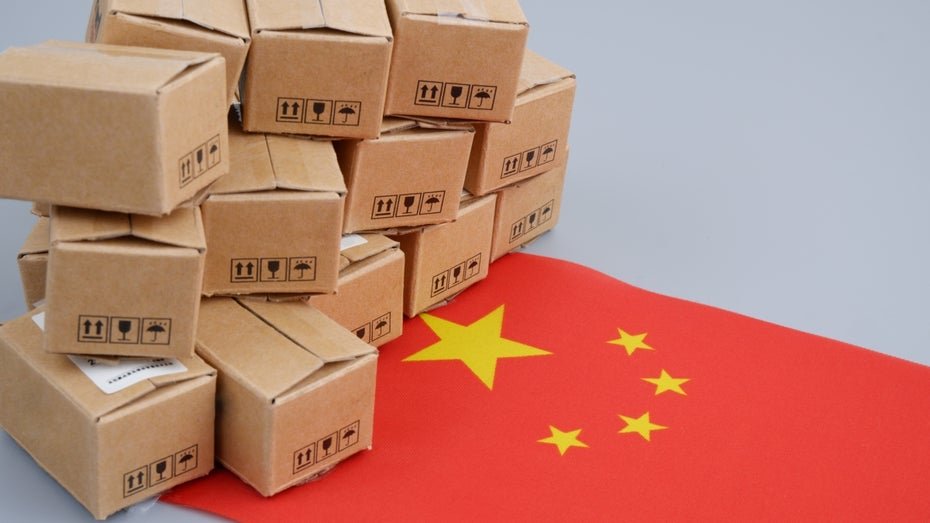
Starting July 2026, a comprehensive customs reform of the European Union will come into effect, significantly impacting online trade. The previous duty-free threshold for small shipments under 150 euros will be abolished. Instead, a flat duty of three euros will be charged for goods from non-EU countries, regardless of their value. This regulation particularly affects large online platforms such as Temu, Shein, and AliExpress, which frequently offer goods from countries outside the EU. The reform aims to create fairer competition between European and non-European providers while simultaneously increasing the revenues of EU member states.
The new regulation could also affect prices for consumers. While some products may become cheaper, others could become more expensive due to the additional customs fees. Experts warn that this could pose a challenge, especially for price-sensitive buyers. The customs reform is part of a broader EU plan to strengthen the digital single market and improve competitive conditions. The EU Commission has emphasized that the reform is necessary to protect the integrity of the internal market and prevent tax fraud.
Implementing the new customs regulation will require online retailers to adjust their systems to meet the new requirements. Merchants must ensure that they calculate and remit the correct customs fees, which could entail additional administrative burdens. The reform has been received differently by various stakeholders. While some retailers consider the measures necessary to create fair competitive conditions, others fear that the additional costs could negatively influence consumer purchasing decisions. The EU has announced that it will closely monitor the impact of the new regulation.
An evaluation of the customs reform is planned for 2027 to determine whether the objectives have been met and whether adjustments are necessary. The customs reform will also affect the logistics sector, as the new regulations will require a restructuring of shipping and customs clearance processes. Companies should prepare for longer delivery times, as customs clearance will now be more strictly controlled. EU member states have agreed that the new regulations will come into effect on July 1, 2026.
Retailers and consumers should prepare in advance for the changes to avoid potential inconveniences. The reform could also lead consumers to increasingly rely on local providers to circumvent customs fees. This could change the competitive landscape in online trade in the long term.






💬 Comentarii (0)
Inca nu exista comentarii. Fii primul!