


EU Tightens Sanctions Against Yangjie
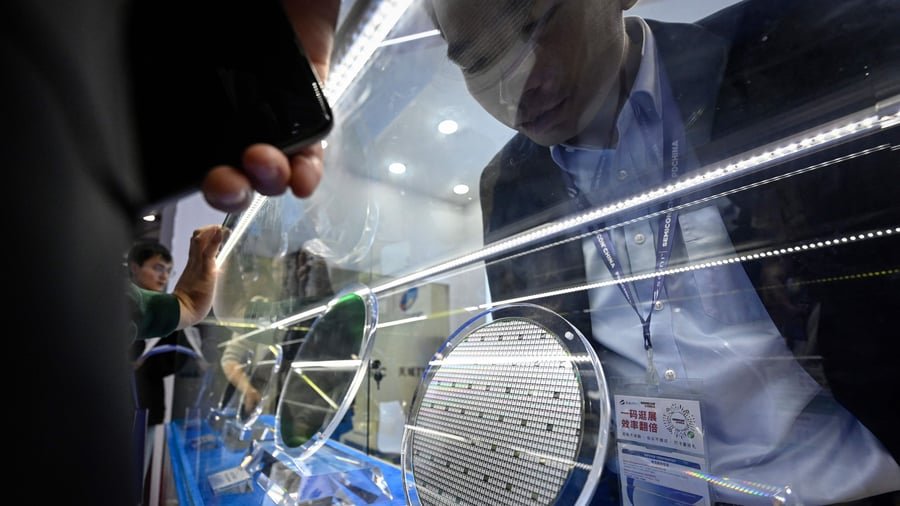
The European Union placed the Chinese semiconductor manufacturer Yangjie on the sanctions list on May 19, 2026. This measure aims to reduce dependence on Chinese technologies and strengthen national security. The sanctions could have significant impacts on the automotive industry, which is already suffering from an acute chip shortage. Yangjie is known for producing semiconductors used in various electronic devices, including vehicles.
The EU's decision follows concerns regarding the company's security practices and its connections to the Chinese government. These sanctions could further restrict the availability of chips essential for vehicle manufacturing. Automakers in Europe are already struggling to find replacements for chips from Nexperia, another key supplier in the industry. The sanctions against Yangjie could exacerbate the situation as manufacturers are forced to seek alternative suppliers who may not be able to deliver the required quantities or quality. Analysts estimate that the chip shortage could reduce vehicle production in Europe by up to 30%.
This development could lead to longer wait times for consumers and further drive up prices for new cars. The automotive industry has already responded to the chip crisis by reducing production of less in-demand models. In recent years, the EU has taken several measures to decrease dependence on foreign semiconductors. Under the European Chips Act, the EU plans to increase semiconductor production in Europe to 20% of the global market by 2030. This initiative aims to strengthen the competitiveness of the European industry and ensure supply security.
The sanctions against Yangjie could also impact global supply chains. Companies reliant on Yangjie may be forced to rethink their production strategies. This could lead to further market fragmentation as businesses attempt to adapt to the new circumstances. Reactions to the sanctions are mixed. While some politicians view the measures as necessary to protect national security, others warn of the economic consequences.
The automotive industry has already expressed concerns that the sanctions could jeopardize recovery after the pandemic. The EU plans to regularly review the sanctions and adjust them as necessary. The next discussions regarding the impact of the sanctions and potential further measures are scheduled for June 15, 2026. Automakers hope that solutions will be found by then to stabilize chip supply.
The situation highlights the challenges facing the automotive industry, particularly in times of geopolitical tensions. Dependence on certain suppliers and regions could have long-term effects on companies' production strategies. The EU aims to strengthen the resilience of the European industry and reduce reliance on external markets. The sanctions against Yangjie are part of a broader trend where governments worldwide are attempting to reduce their technological dependencies. The effects of these measures are expected to unfold in the coming months as the industry seeks to adapt to the new conditions.





💬 Comentarii (0)
Inca nu exista comentarii. Fii primul!